Veyyavacca, one of the ten ways of making merit

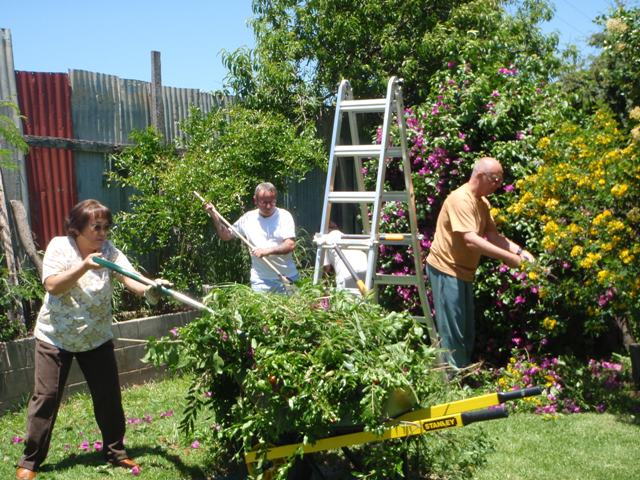
Veyyavacca means helping others with their works or tasks, the useful and honest ones from the biggest of all to the very least ones. They may help with the washing, carrying water, farming or just giving advice. Veyyavacca indicates the kind hearted people who will help others willingly and some time even get out of their way to do so. Those who offer the help will gain respect and reputation, from which the return favours would be happily given when asked.
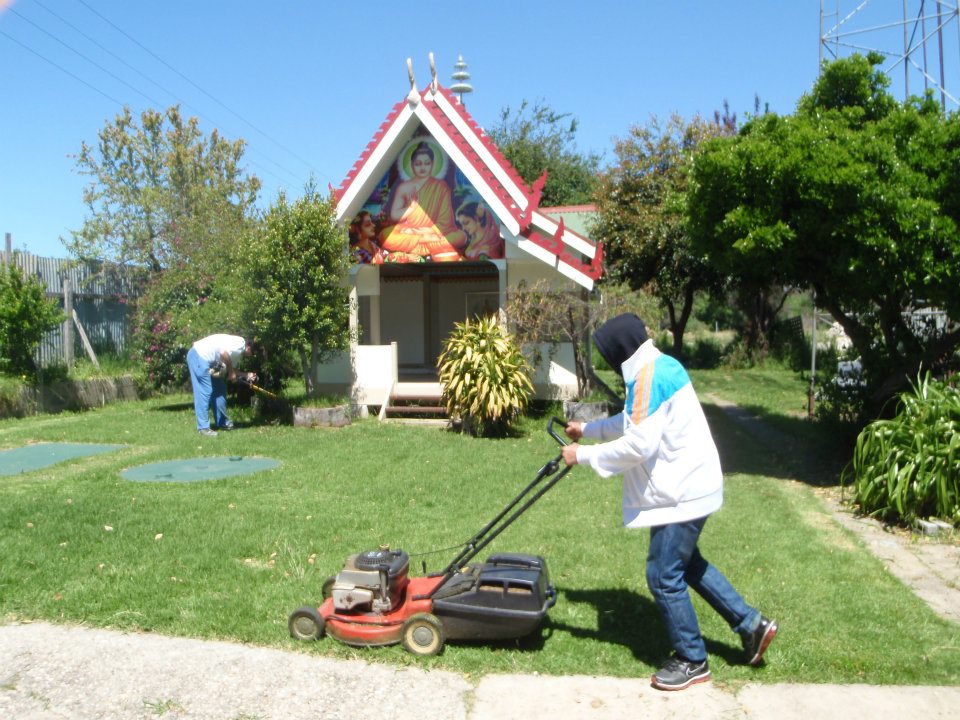
Veyyavacca is one of the ten ways of making merit (Dasa Punna Kiriyavatthu) in Buddhism. It is customary for the Buddhists to accumulate this merit by helping the temples with all kind of chores as required such as cleaning, gardening, preparing foods for monks or even giving a lift for people to come to the temple. The temples for the Buddhists are the place of the Triple Gems (the Buddha, the Dhamma and the Sangha), to do things for the temples is doing service to the Triple Gems.
In the Lord Buddha life time, there was a monk named Phra Sanchaiya.  He had done many Veyyavacca works in the previous lifetimes and their fruits have benefited him the Arahantship in his last life.

 The story from the Tripitaka (Buddhist Scriptures) is:

In one of his lifetimes, in the time of the Buddha named Vipatsee, Phra Sanchaiya was born in a poor family. He rarely had anything to give alms to monks but he diligently put himself to work in tidying up the Buddha’s place, put things away in good order, and did the same to other monks as well. After that lifetime he was only born in the happy realms such as be a celestial being, a king or a rich man.
In this Lord Buddha time, Phra Sanchiya was born in a rich Brahma family. As he grew up he observed that a few famous Brahmins were very faithful in Buddhism so he sought the opportunity to take audience with the Lord Buddha. After he listened to the Dhamma, he attained the Sodapanta and took the ordination. While his hair was shaved during the ordination process he attained 6 Apinya. Finally he became an Arahant. The merit that supported him to attain Arahantship easily was the Veyyavacca he has done in the Vipatsee Buddha Time.
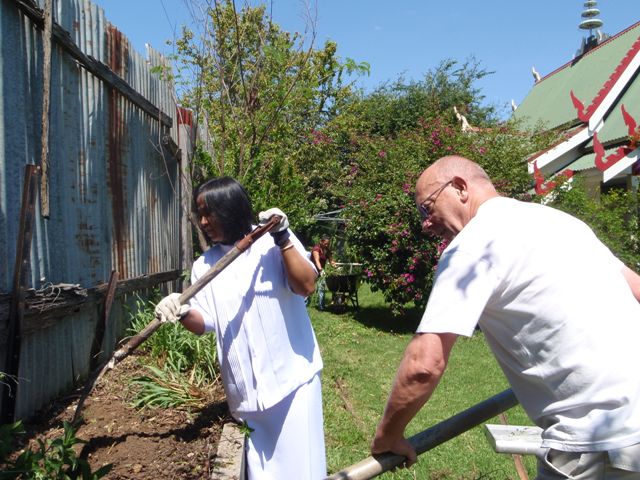
As you can see Veyyavacca is not just a small merit. It can support one to reach Nirvana.

Posted in Dhamma Stories | Tagged , , , , | Leave a comment

Right speech according to the guide line laid by the Lord Buddha

Besides training ourselves to say only the truth, we should be able to choose what we should or should not say. If that truth is not useful to anyone, it should be left unsaid.

The Lord Buddha put the good speaking on the tenth factor in “The 38 Factors of Valuable Life” (Mangala Sutta), it is prophetic speaking.

Our words will become prophetic speaking when we practice these 5 factors:

1) Speak with kindness. Before speaking to anyone, ask ourselves first whether what we are going to say is of good intention or a bad one. If it is the latter, we shouldn’t say it.

2) Speak only of useful things. Ask ourselves whether it is useful for the listener or not. If it is not, don’t say it, as it will become raving.

3) Speak with politeness. Not only should we speak with kindness and usefulness, but should also with politeness. No one wants to listen to any impolite words, ourselves included. They may cause negative reactions afterwards.

4) Speak only the truth. If what we are going to say is not the truth, we shouldn’t say it. Apart from being call a liar, the Dhamma rules (precepts) will be broken. If we break the precepts we lose our usefulness.

5) Speak at the right time and the right place. Speaking at the wrong place and the wrong time may cause the speakers all kinds of trouble. For example, if we try to calm down an angry person with a weapon in his/her hand at the wrong time, in the worst case scenario it might cause us our lives.

Good speaking is not an easy thing to be properly done. If we are not sure whether we should say a certain thing or not, it is better to leave it unsaid.

Speaking well is an art in itself, it requires skilfulness and practice. The Lord Buddha has given us the guide line to follow. So before speaking to anyone, be mindful and check if what we are going to say follows those guide line.

Posted in Dhamma Stories | Tagged , , , | 1 Comment

Promotion of Thai Sangha in the Order of Precedence

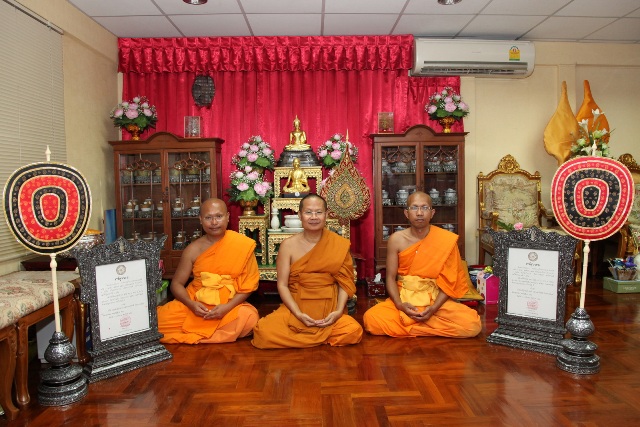
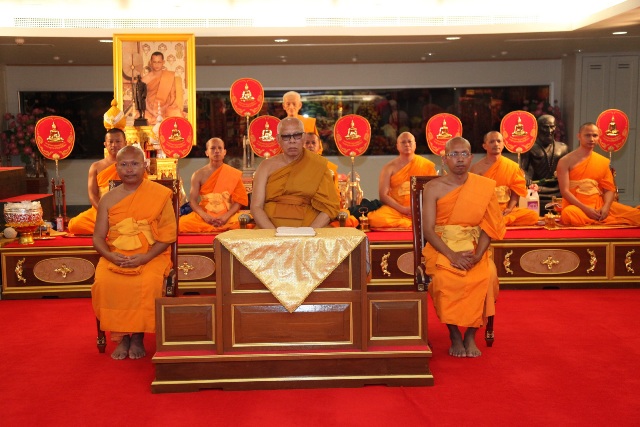
On 25th November 2011, Phra Bhramavathee, the Abbot of Wat Trimitravidhayaram Voravihara, Director of the Sangha Commission Abroad, the Thai Sangha Council, led a presentation to the monks who have been promoted in the Thai Sangha Order of Precedence.

The promotions are awarded to the monks who have taken the vows to be ordained as Buddhist monks and be true to the Triple Gems for life. They are monks who conduct themselves in good manners and behaviours. They also possess the sense of obligation and devotion to work in propagating and perpetuating Buddhism.

Phra Pongsak Suppavangso the assistance to the abbot of Wat Phra Dhammakaya Duneden, New Zealand and Phra Adul Chantupamo secretary of Wat Phra Dhammakaya Sydney, Australia, are among the monks who have been promoted this time. Their hard work and dedication to all tasks have been of great assistance to Phra Kru Palad Nayogvoravat (Most Ven. Sudahhmo the chief monks of Dhammakaya Centres in Oceania), in establishing Buddhism in the Australia, New Zealand and the Oceania region.

Posted in National Buddhist News | Tagged , , , , , | Leave a comment

What do Humans Really Want ?

For most people, the list of things they want can probably go on forever; in contrast, the list of things they need is probably quite short. We have a hard time limiting our wants because we do not know the limits of our satisfaction. We do not know what it means to be completely satisfied, and therefore we constantly strive to attain more.


We know what are the necessities in life, yet for most of us, having the necessities is not enough to be happy. Shelter is a necessity, so we buy a house. But having a house to satisfy the necessity of shelter is not enough. We want more things to entertain us when we are at home, things to beautify the house, things to impress others with. To want these non-essential things is not necessarily bad in itself, because it is unrealistic in our modern world to expect people to live in a bare house. The important point is to be aware that these are wants, not needs, and we must know how to curb our excessive wants, so that we do not overindulge in our desires.


Consider an art collector. He has run out of space in his home, so he buys a second house to store his collection. He puts in an alarm system to guard against thieves. He buys insurance to protect against floods and fires. He makes regular visits to the house to check on their condition. All of these add to his stress, which erodes the happiness he should be deriving from his collection.


The age-old question remains – what do people really want? An immediate answer for this is “happiness”. Other questions may follow. “What is real happiness?” Does happiness mean having a big house or a lot of money? Does it include travelling around the world or paying off one’s debts? “What do people really want?” is the question that has remained unanswered for a long time. Some search for happiness by hunting or fishing, and some enjoy the night life, drowning themselves in alcohol and ruining their health without even realizing it. They think that they are happy, but they are merely deluded. Their “happiness” can turn into misery in an instant, such as when their health fails. We all know that we want happiness, and we all try to look for it, but most of us are looking for happiness in the wrong places.

 When we travel, we often encounter various obstacles. Sometimes the flight we want is fully booked. Sometimes we have excess baggage and insufficient funds. Sometimes bad weather ruins flight schedules. We can compare our lives to that of a traveler. Whether we reach our destination quickly or slowly depends on the number of obstacles in the way. Obstacles may be financial, physical or emotional. Obstacles may be external or internal. No matter what form they take, obstacles all do the same thing, they hinder our progress towards our goal. If we can find a way to overcome all obstacles, our path to true happiness will be much faster and smoother.
From Chapter 3

Golden Age of Inner Peace

Copyrighted by

Dhammakaya Foundation

Posted in Dhamma Talks | Tagged , | Leave a comment

Thailand flood victims have not been forgotten

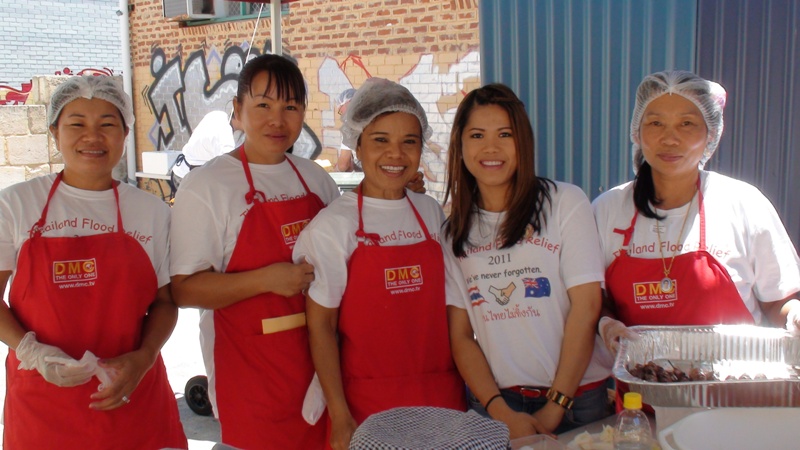
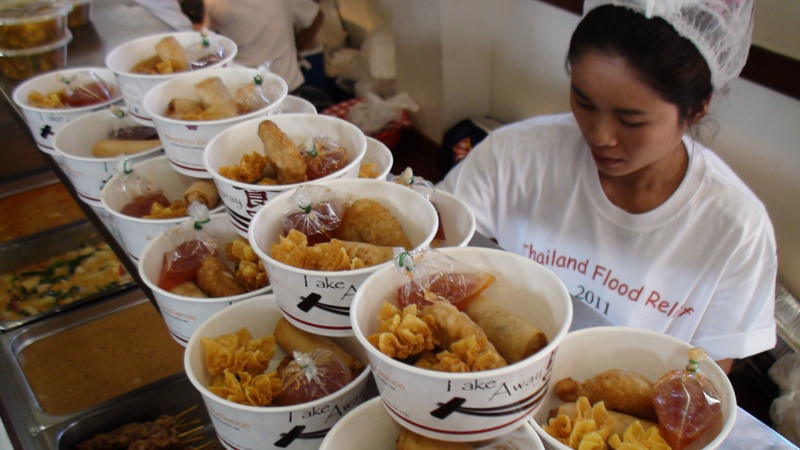
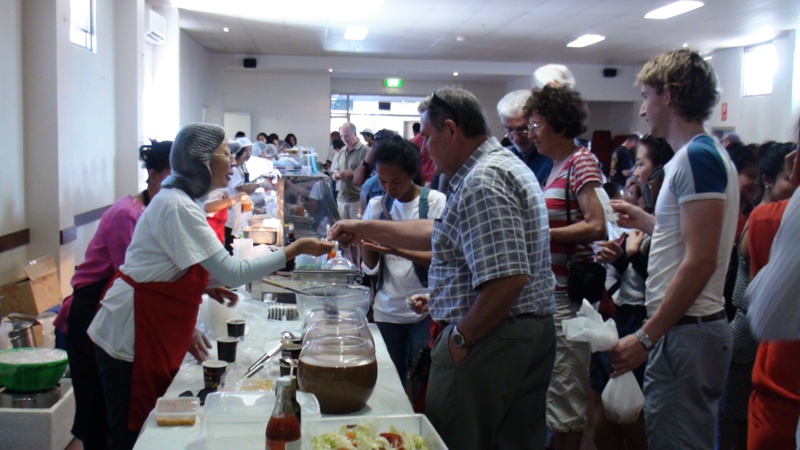
On the other side of the continent, Thailand flood victims have not been forgotten as witness on Sunday 19th November. Wat Phra Dhammakaya Western Australia together with the local communities has organized a Food Fair to raise fund for Thailand Flood Relief 2011. The event attracted many people since the opening time at 10.00am till the end at 3.30pm. Besides good food, singing, lucky dipping and games were also a part of this fair as well. These were the fun and enjoyment that people could feel physically on the day but the happiness of mind was also felt knowing that their donation would help ease others suffering too. 

The donation collected will be sent through the Oceania Thailand flood relief centre patronised by Somdej Phra Puttajarn, the chairperson of the Supreme of Patriarch’s Representative Committee.

Posted in National Buddhist News | Tagged , , , , , , | 1 Comment

The picked-up robes offering ceremony (“Tod Pha-Pa”)

The picked-up robe offering ceremony is one of the big merits in Buddhism because it is Maha Sangha Dana – the donor offers to the monk without specifying.  The Lord Buddha taught that Maha Sangha Dana had more fruits than the specified ones.


Moreover, the picked-up robe offering ceremony is not restricted to time. You can offer it anytime and the importance is that any temple can arrange the ceremony many times per year.

It sounds like we can make this kind of merit easily, but in fact it is not as it is the merit that can only be done in the Buddhist way.

If the Triple Gems did not exist, we would not have a chance to make the picked-up robes merit. Even if someone names a ceremony the picked-up robes, it is still not “the” picked-up robes. It is the misleading to the people who do not understand the full concept of the ceremony to believe and join in.

The monks in the Buddha Time had to search for the abandoned clothes to make their saffron robes by themselves

According to the history, picked-up robe ceremony has never been arranged in the early period of Buddha Time because the Lord Buddha did not allow the monks to receive saffron robes from any laypeople directly.

So the Buddhist monks had to search for the remnants of abandoned cloths from many places such as forests, savages, or shroud, etc.  When they had enough cloths to make their saffron robes, they had to wash, dyed and sewed them up to make it into the robe by themselves.  So it is not an easy task for the monks to get a new robe.

Phra Anuruddha Thera searched for the abandoned remnants of cloth from many places to make his saffron robes

The first person who started the picked-up robe offering was very special because she was an angel in the Tavatimsa Heaven named “Angel Chalinee.”

The story is …One day, while Phra Anuruddha Thera who had the old saffron robe was searching for the remnants of cloths from the savages for his new one.  

Angel Chalinee placed her celestial clothes on Phra Anuruddha Thera’s way because she would like to offer it to him

Angel Chalinee saw him and intended to offer three pieces of celestial cloths to him. Suddenly, she remembered that she could not offer to him directly as the Lord Buddha did not allow it.

So she placed the cloths on the savage along his way and made them easy to see. Phra Anuruddha Thera found these cloths and brought them back to make his new robes.

From this event, the donors who want to offer clothes to the monks will place their clothes in some places in order that their clothes are abandoned and the monks can pick their clothes up to make the saffron robes later.

This was the beginning of the picked-up robes offering ceremony. Those who wanted to make merit in the Buddha Time followed the Angel Chalinee’s method.  They intentionally left their cloths on the branches of trees, savages, forests, paths or anywhere they thought that the monks would walk pass and see it easily.  They did it like their cloths were abandoned, so the monks could pick up to make the saffron robes.  This kind of robes was called “Pha-Pa” as the monks picked them up from the forests or “Pha-bang-su-kul”, the dirty cloth (from dust).

Picked-Up Robes Offering Ceremony is a good chance for you to collect the big merit

The saffron robe is very important and necessary for all monks.  To them it is the victory flag of Arahantship.  The monks have to wear it for doing their monastic duties, self-development and so on through their lives to perfect themselves to become the ‘real monks’ in the Buddhist senses.  Another important thing about the saffron robes is that it will be the last robe for everyone before reaching Nirvana.

So a good opportunity is coming your way in the near future to be able to make this merit of offering the victory flag of Aranantship to monks and gain countless merit in return.

Translated by Chadawee Chaipooripat

Edited by Merilyn Bretherick and Sunisa Clapin

from www.dmc.tv

Posted in Dhamma Stories | Tagged , , , , , | Leave a comment

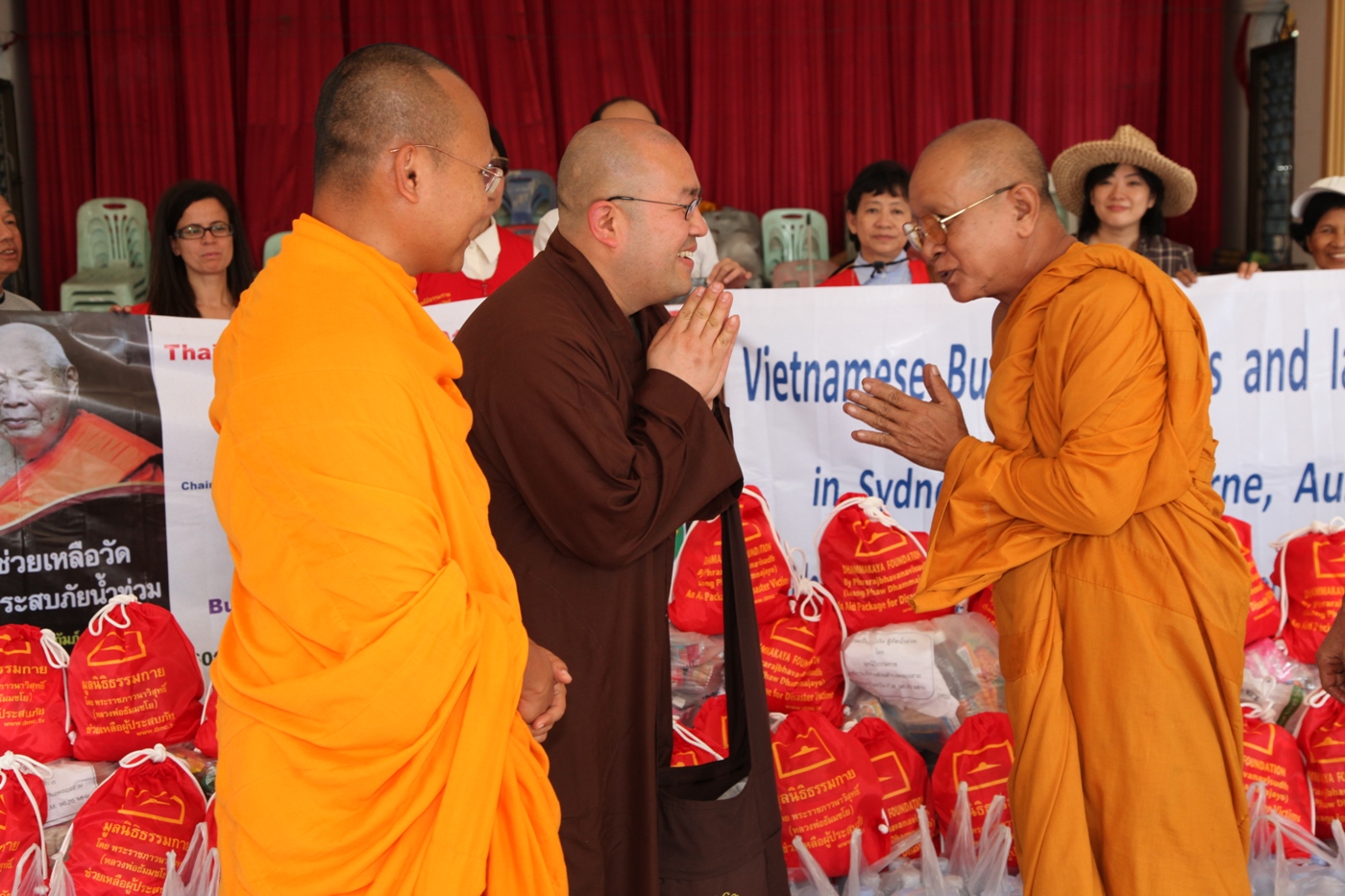
Ven. Thich Phuoac Tan brings aid and relief to monks affected by the recent devastating flood in Thailand

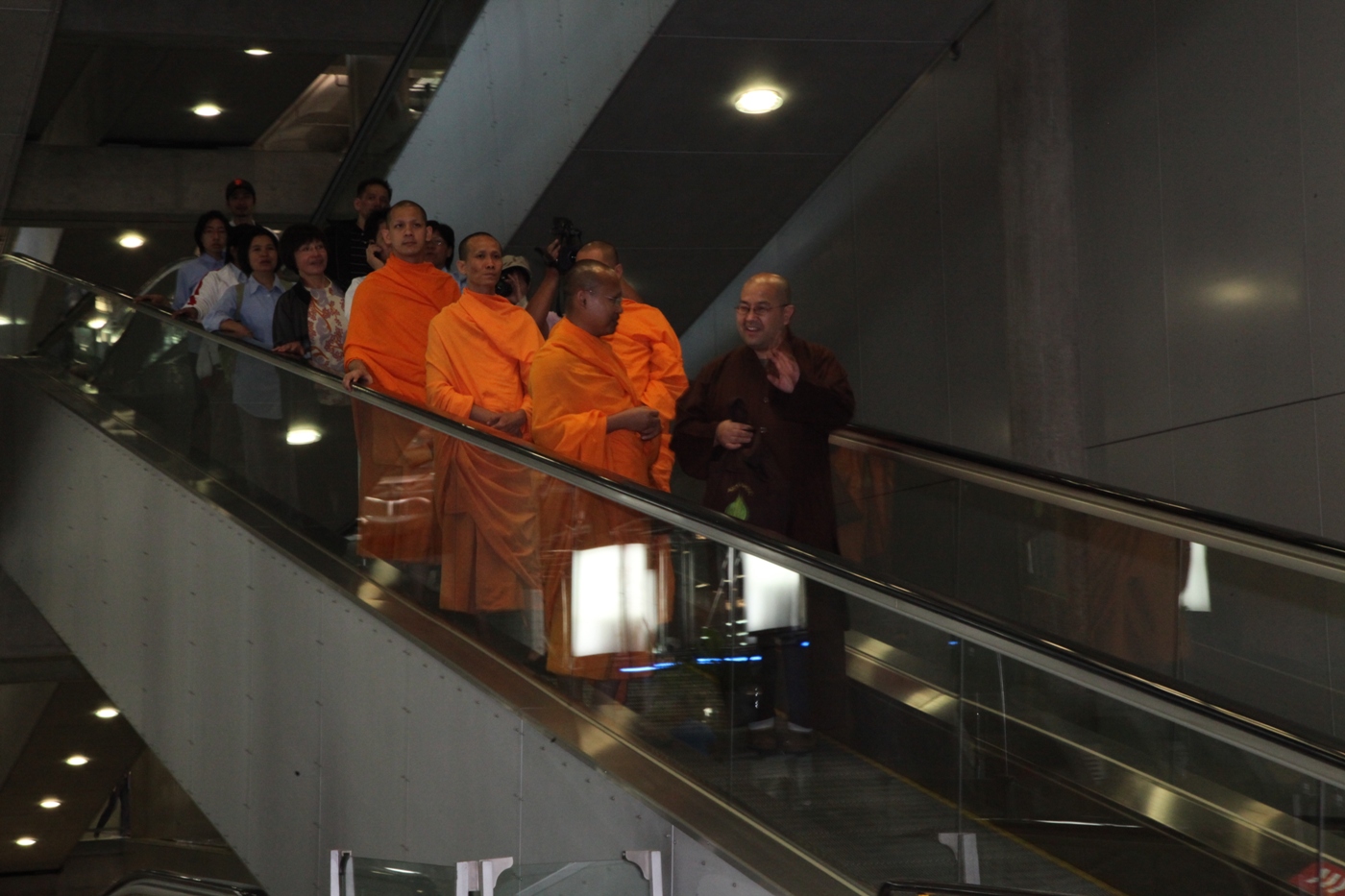
The Venerable Thich Phuoc Tan, the Abbot of Quang Minh Temple in Melbourne, Australia, demonstrated his generosity while on transfer break at Suvarnabhumi Airport, Bangkok before returning to India. He and his followers took this opportunity to join with the flood relief team organised by the Most Venerable Sudhammo and gave assistance to the flooded temples. Venerable Thich Phuoc Tan brought donations and basic necessities from Australia to relieve the suffering of the monks and people who are affected by the devastating flood.

His flight arrived at 5.30am on Friday 18 November and, after meeting with Most Ven. Sudhammo’s team traveled with army trucks through the flooded  road to Wat Sansuk at Klong Samwa and Wat Kubon. The Venerable Thich Phuoc Tan met the monks at each temple with his generosity offered the ‘survival kits’ and other necessities. The monks at each temple were very happy and grateful to receive help from Buddhist communities in Australia, and reassured that they were not alone in these difficult times.

Posted in National Buddhist News | Tagged , , , | Leave a comment

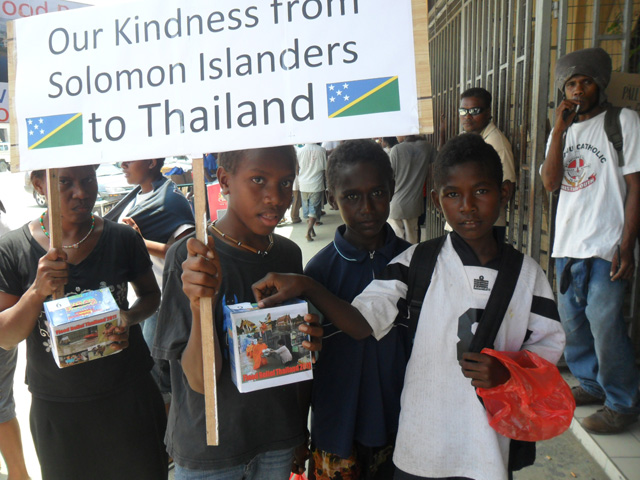
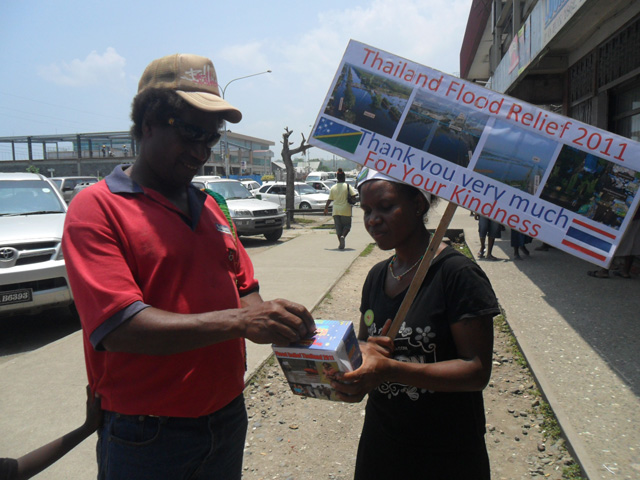
Kindness from Solomon Islanders to Thailand Flood Relief 2011

Thailandflood crisis was put on the world news. In Solomon Island, a young Henry Sale, who was ordained as a Buddhist monk in Thailand last year, raised his concern to his group of friends. This youth group has had an association with the local Thai Buddhist temple in Solomon Island for a number of years. They decided to do something to help in this crisis.

They carried posters showing ‘Our kindness from Solomon Islanders to Thailand Flood Relief 2011’ and  walked through downtown of Honiara. The big group of youth and encouraging voice from the speaker caught attention from people around there. Amazingly, people, who don’t have much income themselves, were very happy to part with their money to help. It clearly shows that kindness and generosity can be found anywhere at all.

Posted in National Buddhist News | Tagged , , | 1 Comment

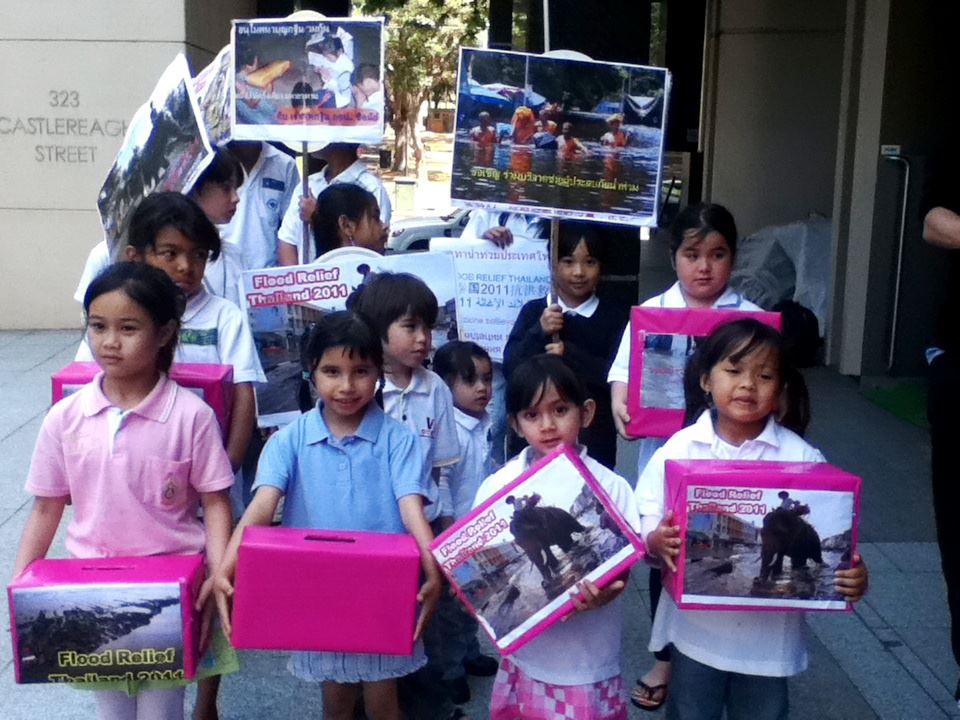
Thai youth in Sydney put their kindness into practice.

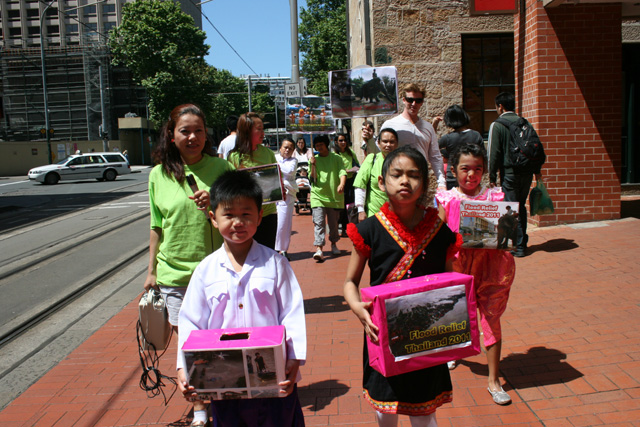
Thai youth from 60TH Dhammachai Education School has raised awareness of many Thais and shoppers in Thai town at the heart of Sydney CBD about the Thailand worst flood in half of the century.

Phra Vinai Panyarattano, a teaching monk who is in charge of moral teaching at the school was telling the reporter that “ This activity will help children to put their kindness into practice by understanding others’ suffering and realise that it is something they can help.”

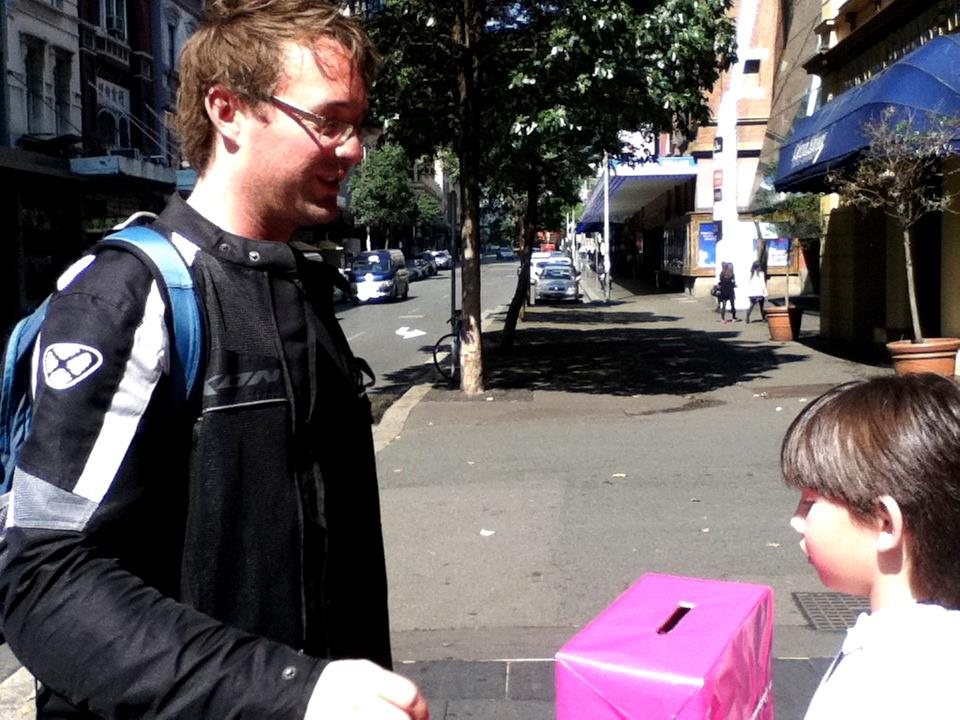
The street walkers and shoppers were very happy to give donation to these smiling children lending themselves to a good course.

Posted in National Buddhist News | Tagged , , , , , | 1 Comment

V-Star New Zealand help in Thailand flood relief 2011 fundraising

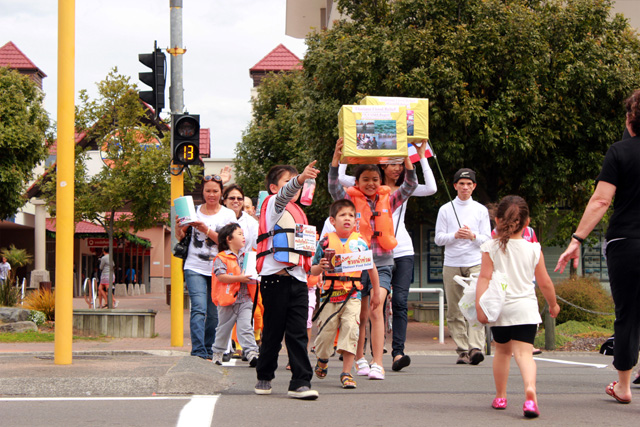
As the news of the worst flood in decades in Thailand have been all over the media and the Oceania Thailand Flood Relief Centre has been set up. All Thai temples in the zone have given their best effort to help. A group of young children who have joined the V-Star program of Wat Phra Dhammakaya Aucklahd put their action together and organise a fundraising parade at the temple Kathina ceremony held at Mt Albert War Memorial on 30th October 2011. They also took to the streets and a festival in Rotorua to collect fund from many generous New Zealanders for this course as well.

Posted in National Buddhist News | Tagged , , | 1 Comment