Business owners call for shop blessing

In today competitive world, business owners try to come up with new unique products or services to make the business distinguish from others in order to  keep it flourished, especially the new small business owners, who perhaps invest their entire life saving money into the business. It may be an exciting challenge for them on one hand but on the other, the worrying of losing everything is also presence.
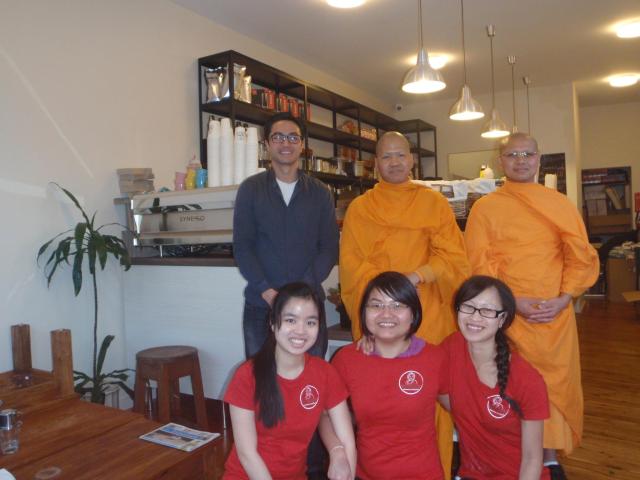
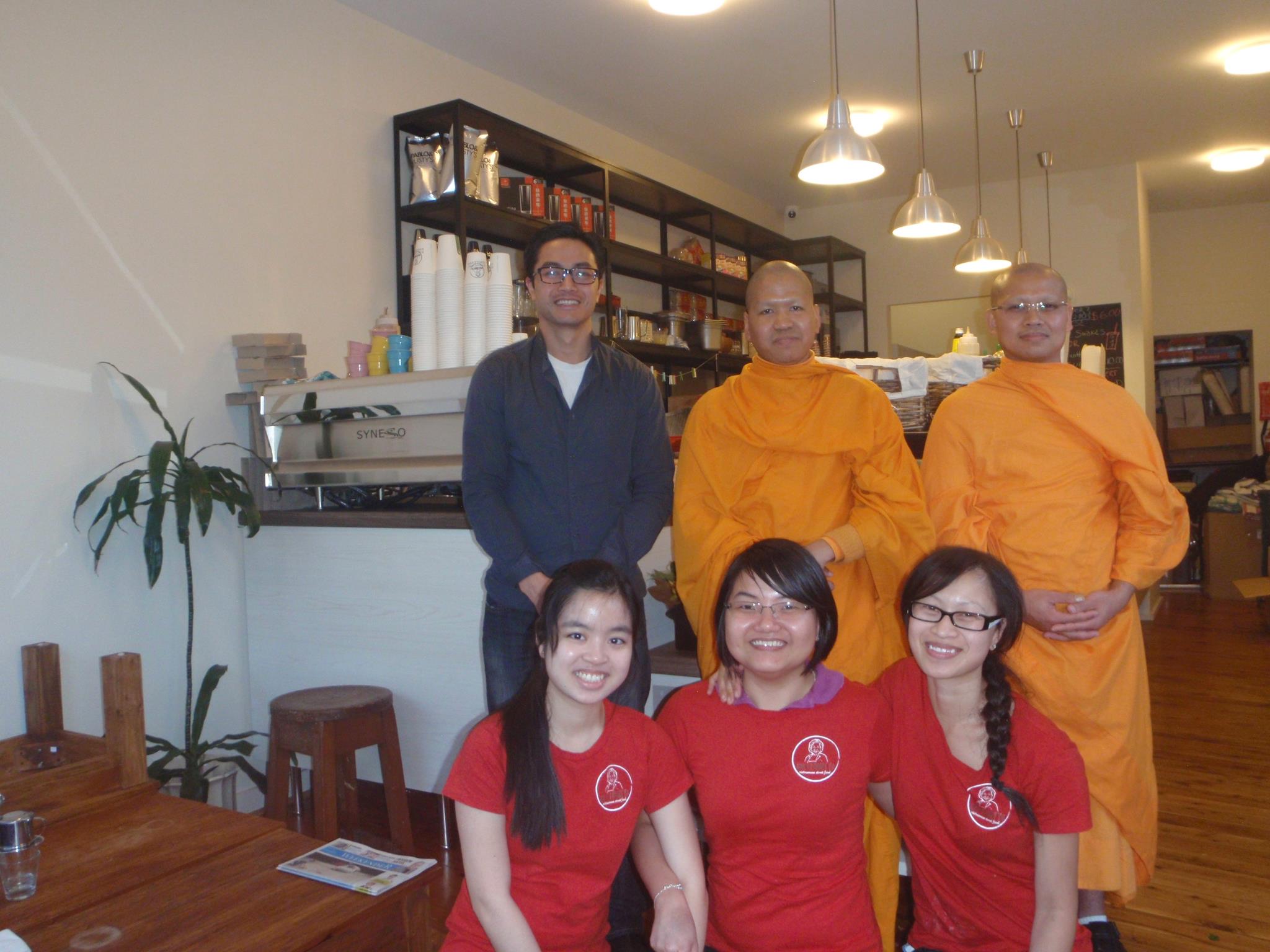
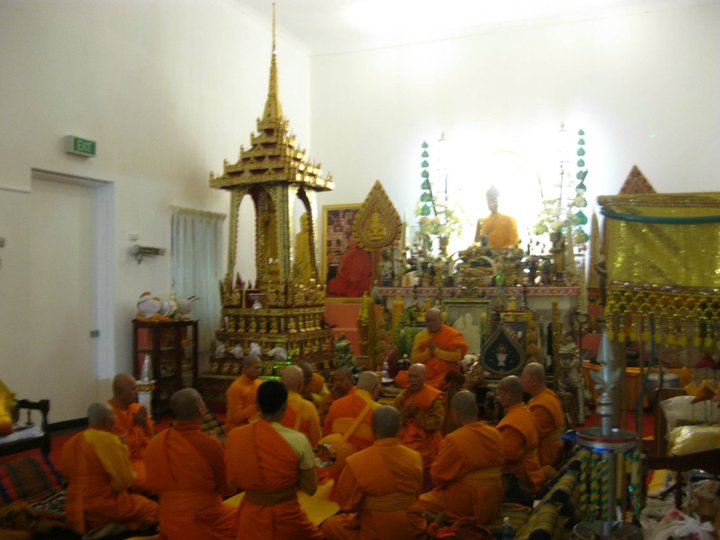
Shop Blessing, Great Aunty Three, Newtown, NSW (17 August 2012)

Great Aunty Three http://www.smh.com.au/entertainment/restaurants-and-bars/street-credibility-20121001-26uwi.html

In Buddhist countries like Thailand and Sri Lanka, some significant changes in the Buddhist lives such as moving into a new house, starting a new business or move into a new office used to initially involve some merit-making – shop blessing or house blessing from Buddhist monks for their peace of mind. It is also a good opportunity to invite friends and family members to join in the activity which can help strengthen the bond with them as well. This blessing and merit-making used to be a must do activity in the old days but in this modern day, it seems to be forgotten. Maybe it is time to bring back this tradition as a way to help people find happiness in life. 
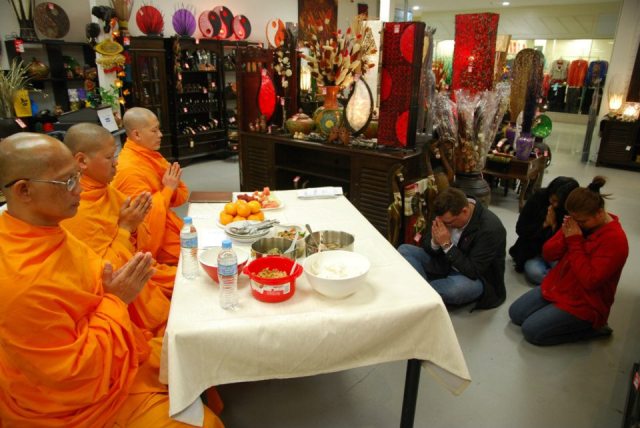
Buddhists believe in the law of nature or the law of Kamma. We receive good outcome from the good cause we made in the past. Thus, the business owners will make a great merit before they start the business and wishing that the fruitful of the merit will support them and protect them from the bad things. One way of making merit is to give or practice generosity. To give to a person with or practicing himself towards having the pure mind, the merit gained will be greater. Buddhist monks who focus on developing their mind are the field of merit for lay people. Therefore, the business owners will invite monks to come to accept their offering and give them blessing for their new business.
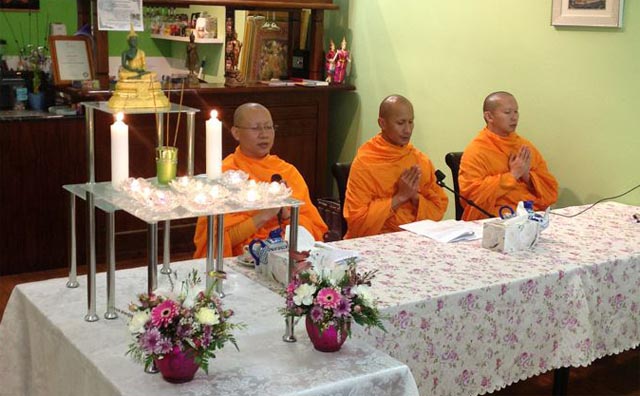
Shop Blessing, Aloi Thai Restaurant, Shepparton, VIC (19 August 2012)

In the western country this thing must be adapted, however it has to remain the high value and the same principle. “In conducting the blessing ceremony in Australia we should make it in the understandable way for all audiences.” Ajahn Satit said
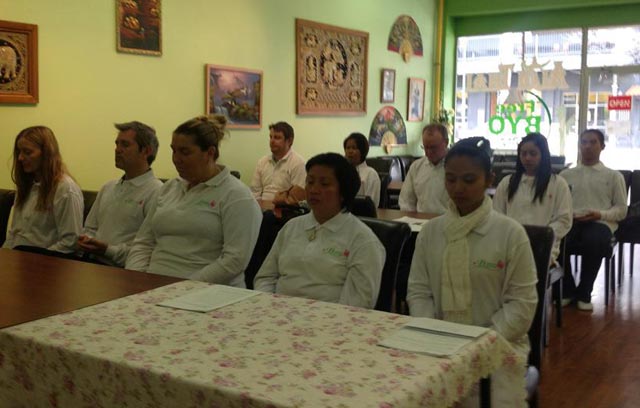
The general program for the shop blessing will include, meditation, Dhamma talk in related topics, requesting five precepts and Sangadana Offering. After the offering have been made, the monks will give the blessing in Pali language at the end, the monks may give something to remind them for the practice of the Dhamma.
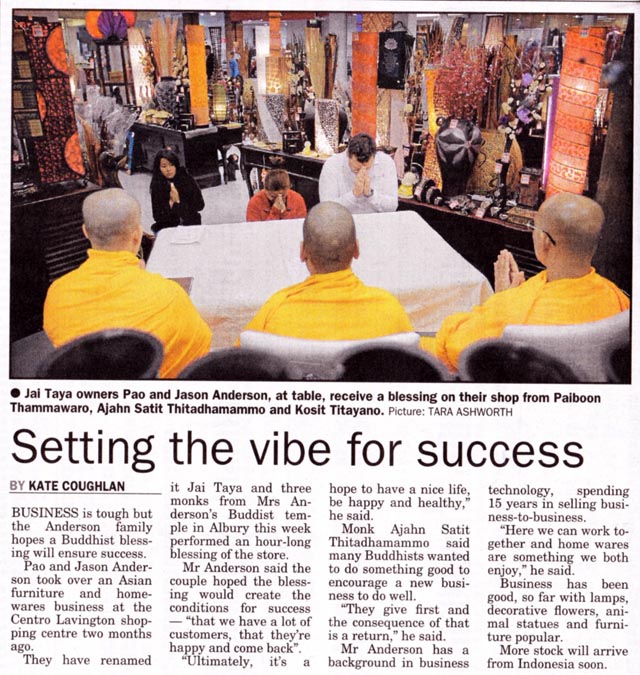
The Border Mail p.21, 22 August 2012

English translation of the blessing.

Jayaman Gala Gatha (Pahung)

This is about the Stanza of the victorious auspices, recounting instances that the Buddha overcame obstacles by using different techniques:

1st Stanza: The conquest of Mara and his army through the power of generosity

Once upon a time the king of Mara (evil) who manifested himself as a being riding a gigantic elephant, Girimekla, The fierce Mara with thousands arms holding weapons together with his army came to the Buddha with the intention to harm the blessed one who conquered them through the power of his perfection of generosity. Through that power may there be auspicious victory to you.

2nd Stanza: The defeat of the vicious and ferocious ogre Yakka Allavakka through the perfection of endurance

Another time there was an ogre, Yakka Allavakka, who was more malicious and more powerful than the king of evil (Mara). He had contended with all his might to harm the Lord Buddha all night until dawn. The Blessed one overpowered him with his perfection of forbearance. Through that power may there be auspicious victory to you.

The 3rd Stanza: The victory through the power of loving and kindness

Next, Phra Devadhatta betrayed the Lord Buddha by arranging for a fully drunk, Naragiri elephant to harm the Blessed one. The elephant is ferocious like the forest on fire, strong as thunderbolt.  The Lord Buddha overcame it through the power of his loving and kindness. Through that power may there be auspicious victory to you.

4th Stanza: The conquest of the noxious robber through Miraculous Psychic power

Once upon a time the Lord Buddha had overcome the robber Gulimala who was advised by his master that if he killed 1000 people and made a garland with 1000 fingers, he would become the most powerful person. He killed 999 people and came across the Buddha. He thought to himself that he only needed one more finger. The Lord Buddha won over the robber who was chasing him up on a long road (48km) while holding a sword with an intention to kill the Blessed one. With his miraculous power the Lord Buddha weakened the thief who later asked to be ordained as a monk. Through that power may there be auspicious victory to you.

5th Stanza: The Lord Buddha’s victory through serenity and control

Once upon a time Jinjamanvica, enlarged her belly with firewood to make herself look pregnant. She accused the Lord Buddha in the midst of a large crowd. The Lord conquered this accusation with his tranquillity and control. Through that power may there be auspicious victory to you.

6th Stanza: Victory of the Buddha on the debate with Sacca Nikron acetic through his light of wisdom.

Once upon a time the Lord Buddha won upon a debate with an ascetic, Sacca Kanikron who tends to disregard the truth. He hankered after arguments like a banner. He is fully blinded (to the truth). Knowing the ascetic’s persona, the Lord Buddha overpowered him with the light of wisdom and expounded the teaching. Through that power may there be auspicious victory to you.

7th Stanza: The victory of the Buddha over the malicious king of serpent through the power of his disciple.

Another time the Lord Buddha allowed his great disciple, Phra Maha Mogallana, to defeat the tricky king of serpent, Nanthopa Nanda. Phra Maha Mogallana with his magic power turned himself into a Serpent king and tortured Nanthopa Nanda. Through that power may there be auspicious victory to you.

8th Stanza: the conquest of the arrogant and egocentric Paka brahman

This is an episode when the Lord Buddha conquered the powerful self-opinionated Phaka Brahma, who with the wrong views believed that he is endowed with spiritual purity. Through the Lord Buddha’s greater power of wisdom and teaching he won over Phaka Brahma. Through that power may there be auspicious victory to you.

Maha Jayamangala Gatha(Mahaka)

The Lord Buddha who is the supreme refuge of all beings, had been pursuing all perfections out of compassion for all beings. He had attained the highest enlightenment. With this truth may I be blessed with all the blessings.

May I be victorious through this blessing ceremony. May it be comparable to the joy that the Lord Buddha brought to the Sakaya clan with his supreme victory over the king of evil while meditating under the Bodhi tree.

The Lord was experiencing the bliss with his perpetual victory while sitting on a throne, Ajjitta, at Pokara pataphee. This is the practices of all Buddhas.

May, the sponsor who organises this auspicious ceremony at the right time, with righteous effort, even for a short time, who pays homage to the monks who are pure and virtuous in speech, mind and actions, be happy and prosperous.

May I be endowed with all the blessings.

May all celestial beings protect me.

May I be blessed with the Buddha’s power for ever never.

May I be endowed with all the blessings

May all celestial beings protect me.

May I be blessed with the Dhamma’s power for ever never.

May I be endowed with all the blessings

May all celestial beings protect me.

May I be blessed with the Sangha’s power for ever never.

Posted in Local News | Tagged , , , , , , , , , , , | Leave a comment

Where should we put Buddha-images?

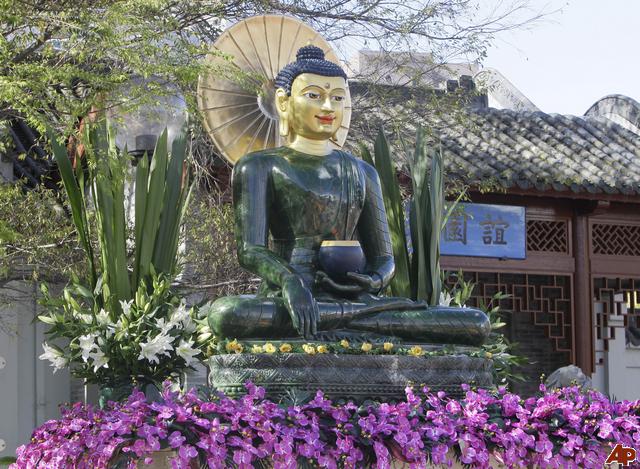
These days you might see Buddha-images in many places, restaurant, café, living room or in the garden. This could be common to the non-Buddhists. Some may not know why we create Buddha-image? Perhaps, they think that the Buddha-images are the symbol of peace and wisdom.

Some legend said that the first Buddha image was created since the Buddha time. King Kosala had the Buddha statue made when the Buddha was away visiting his mother in heaven. The King paid respect to the statue as if he did to the Buddha himself. Even though this is one of “the legend has it”, it implies that the Buddhists create Buddha image as the representation of the Buddha and to worship his virtues and his teachings. This is the main purpose to create the Buddha images.

Now, 2,600 years after his enlightenment. Without the Buddha images it will not be easy to remind us of the great teacher with great purity, wisdom and compassion.

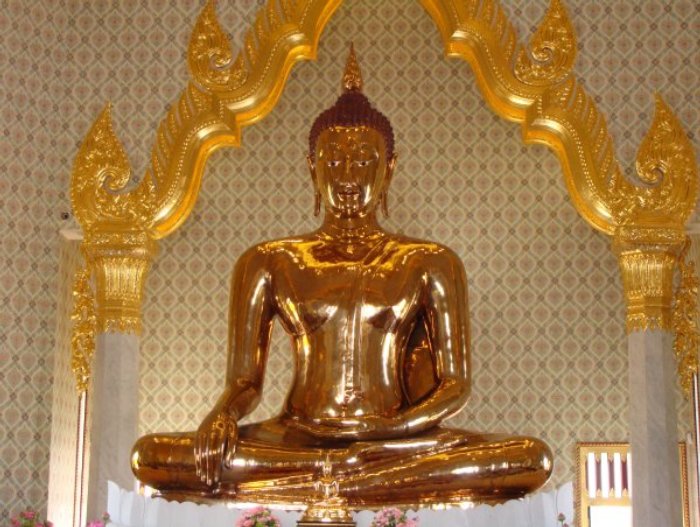
The Golden Buddha, Wat Trimit, Bangkok, Thailand

In each Buddhist temple, they try to make the atmosphere as if the Lord Buddha is still alive. The temple  is combined with three main places, the Buddha, the Dhamma and the Sangha places. The Budda place is where the Buddha resides usually in the main chapel. The big Buddha image will be there. Buddhists will make their best effort to make the Buddha image with the best material they can afford. Gold is the most valuable material that people can find and many gold Buddha images can be found in many Buddhist countries. It is the token of their highest gratitude and respect to the Buddha.

The monk ordination ceremony have to be performed in the chapel with the presence of the Buddha(The Buddha-image) .

The ceremony of the monks, for example, monk ordination ceremony have to be performed in the chapel with the presence of the Buddha (The Buddha-image) and the Sangha. The Dhamma teaching to the general public is done in the Dhamma Place or Dhamma Sala (Hall). The Dhamma place also has a Buddha-image as the president in sharing the Dhamma. However a monk will take the duty to give the Dhamma. It can be noticed that the monk who will give the Dhamma will firstly pay homage to the Budda with the following chanting.

“NAMO TASSA BHAGAVATO/

I wish to revere with body, speech and mind that Lord apportioning Dhamma/

ARAHATO/

That One far from defilements/

SAMMA-SAMBUDDAHASSA/

The One Perfectly Enlightened by himself.”/

Repeat it three times.

The monk who gives the Dhamma talk is a communicator who relays the Dhamma, that the Buddha discovered and taught during his life time, to the audience in Dhamma Sala.

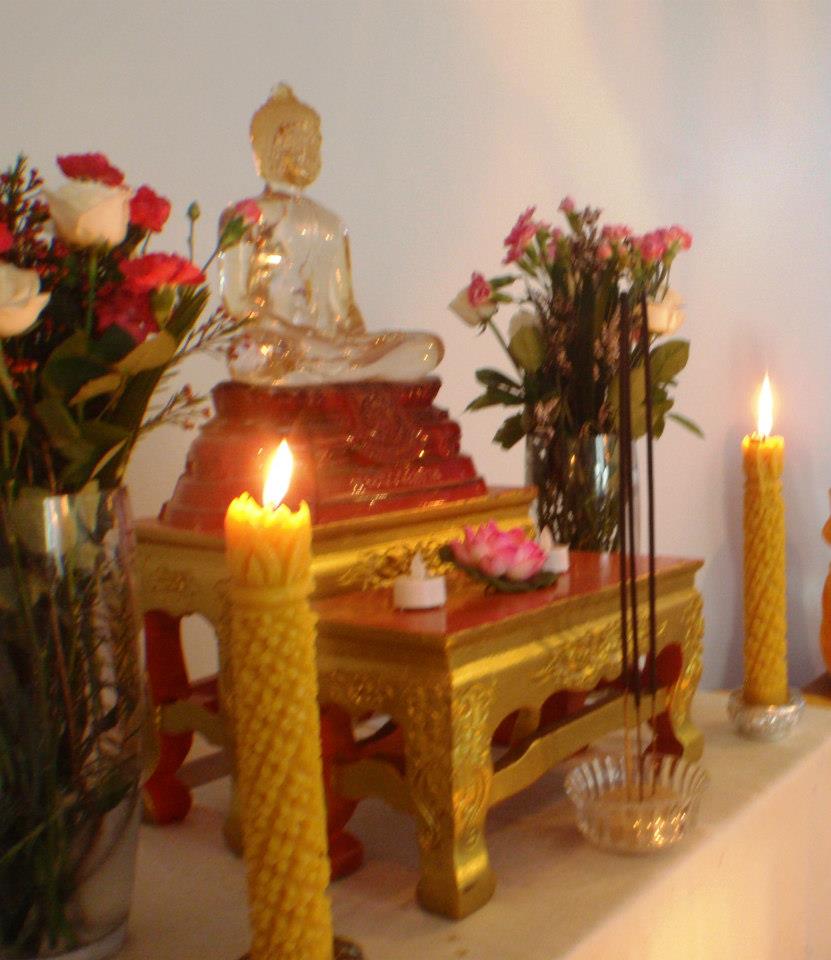
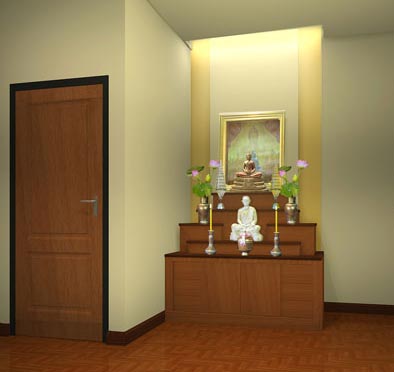
For many Buddhists that cannot come to the temple regularly, or have no access to the temple at all, a Buddha image, even a small one, will be the best thing they could wish for in their home. It will make them feel that they are close to the Buddha. They will select the best spot, and display the Buddha image in the place of respect. If possible they may dedicate one whole room to be a shrine or a meditation room. When they enter this room the atmosphere would help them to be calm and peaceful. It helps to prepare them to be ready to practice the Dhamma such as chanting and meditating without any distraction.

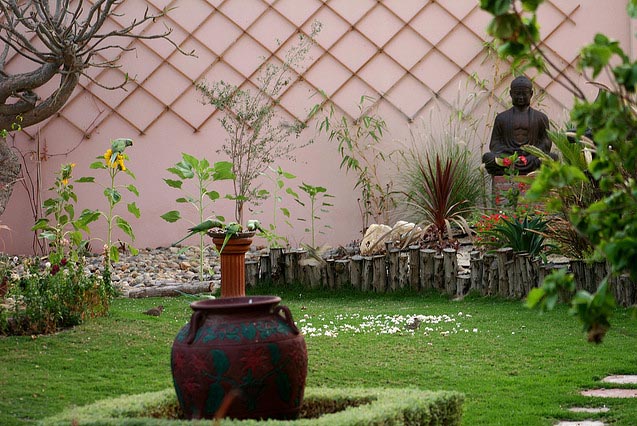
Many westerners may put the Buddha in the garden, they can adjust it in the right place as well by raising it in a higher place and they can arrange that area to be a sitting place to purify their mind by meditating in front of the Buddha. By seeing the Buddha image could remind people to look and find their own Buddha with in themselves.

We hope this article could assist both Buddhists and Non-Buddhists who want to have Buddha-images at home or at their shop would use the image in the right purpose and put the Buddha image in the respectable place.

Posted in Dhamma Stories | Tagged , , , , , , , , , , , | 1 Comment

‘Buddhajayantee’ – the 2600th anniversary of the Buddha’s enlightenment.

2012 is a significant year for all Buddhists as it marks the ‘Buddhajayantee’ – the 2600th anniversary of the Buddha’s enlightenment.

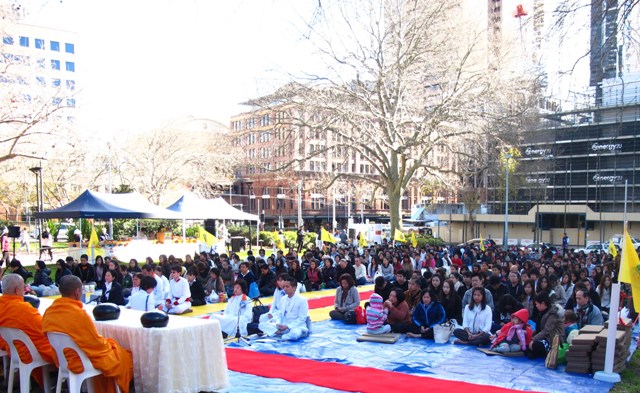
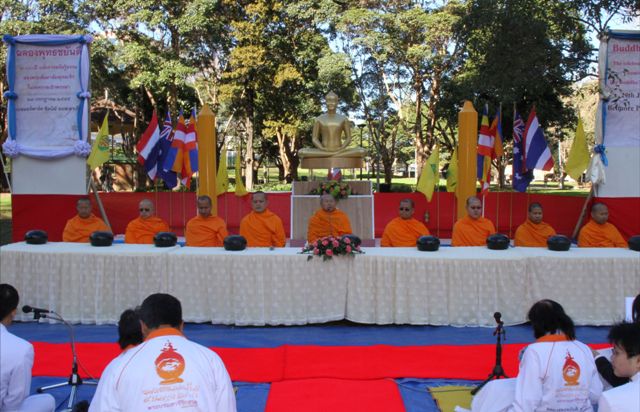
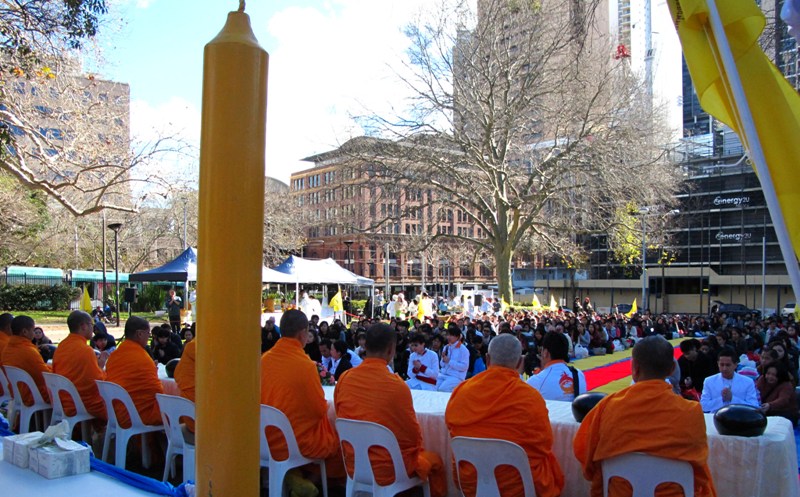
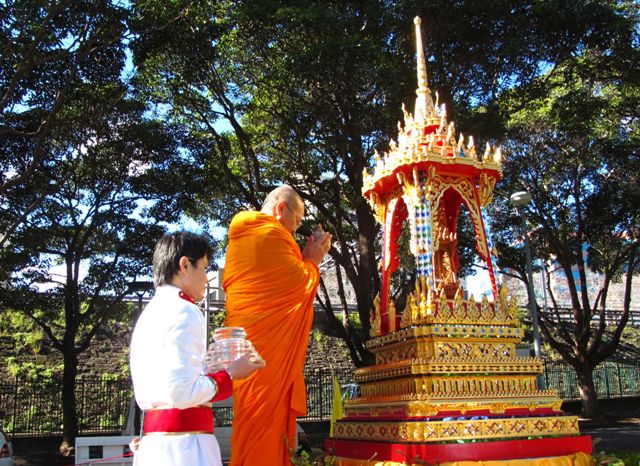
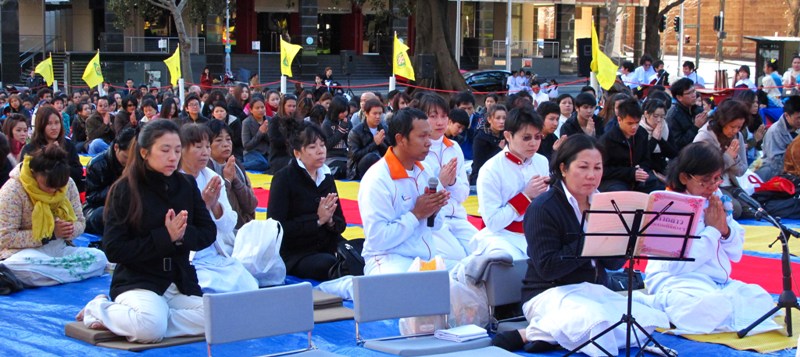
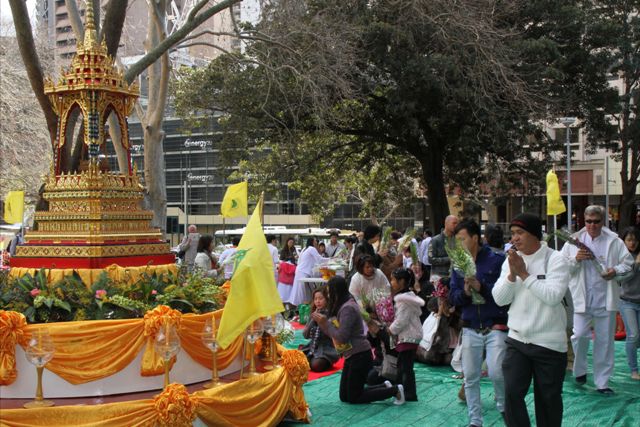
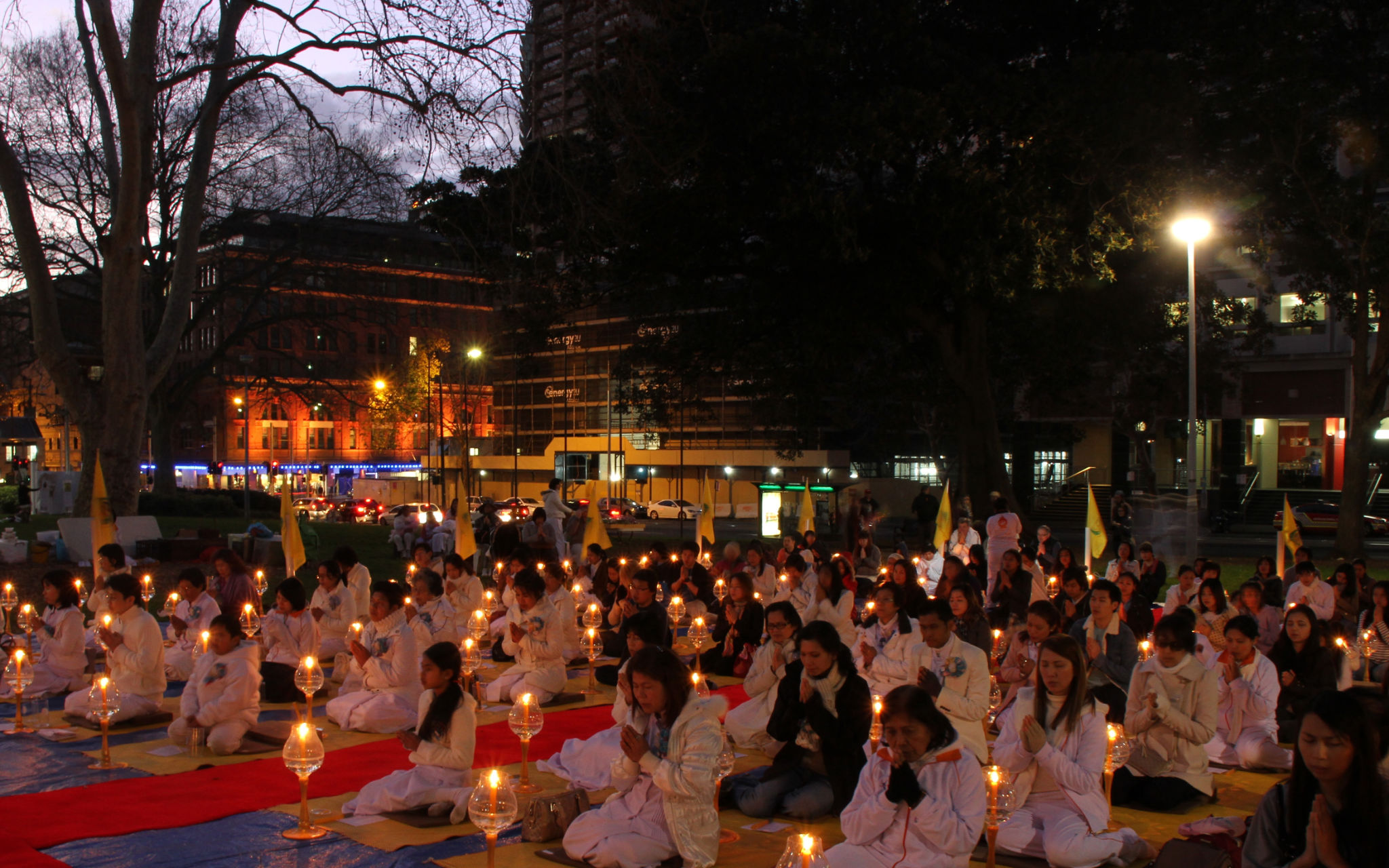
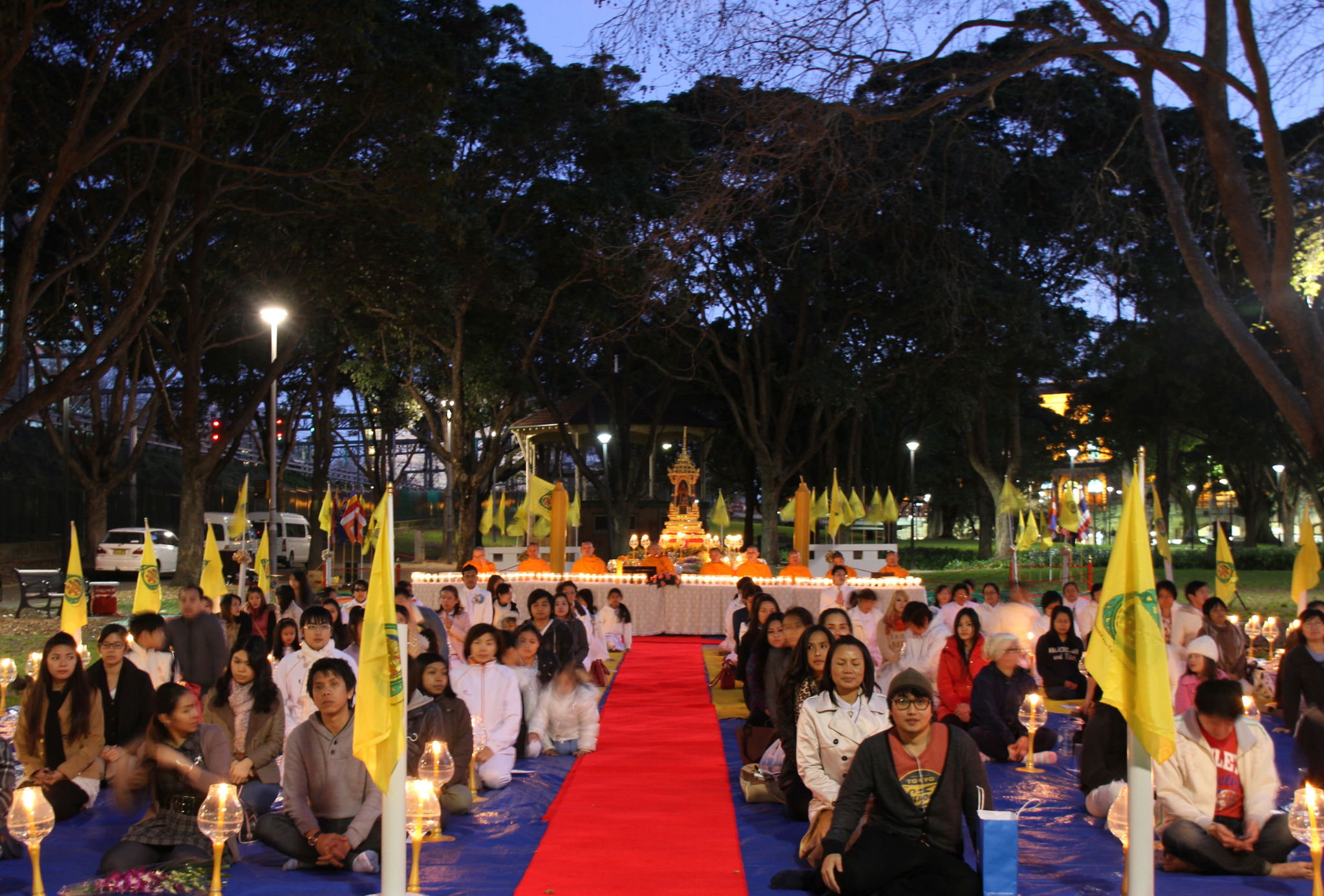
On Sunday 29th July, Belmore Park, Sydney CBD, was transformed into a Buddhist ceremonial ground for the gathering of hundreds of Thai Buddhists for the ceremony of the start of this year Buddhist lent (Pansa or Vansa).

The event was organised by the Thai Buddhist Student Association Inc. with the strong support of Phrakru Palad Nayokworrawat (Most Venerable Suddhammo), the Abbot of Wat Phra Dhammakaya Sydney and the hard work of all volunteers also make this event possible.

The sound of traditional Thai music played by student of the 60TH Dhammachai Education School started early and filled the atmosphere with pleasure and calmness for all participants and the passers-by.

The ceremony began around 9.30am by the Most Venerable Suddhammo who led the audience to pay respect to the Triple Gem. He, then, gave the brief introduction of the significance of the day that it was not only the traditional ceremony for the start of the Buddhist lent, it was also a rare opportunity for the Buddhists in Sydney to pay respect to the historical Buddha’s relic from Thailand. The relics were discovered in India and were given to the King Rama V of Siam (Thailand) by the British-Indian government at the time. Part of the relics was kept at the well-known Cetiya called Pukhowtong at Wat Saket, one of the tourist attractions in Bangkok.

With the kindness of Somdet Phra Puttajarn, the chairperson of the Supreme of Patriarch’s Representative Committee, the Abbot of Wat Saket had entrusted Prakru Palad Nayokworrawat to bring the holy relic to Australia for the Buddhist here to pay respect and gained blessing in this significant year of Buddhajayantee.

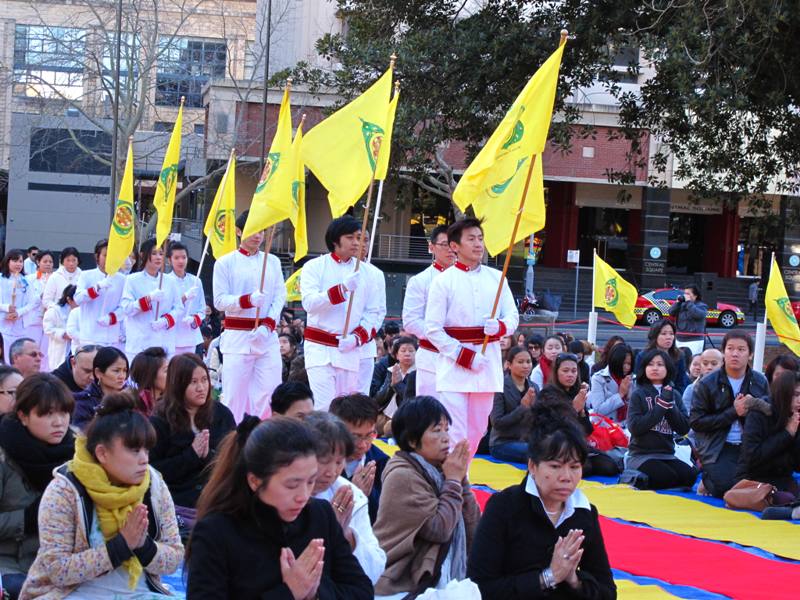
The event was officially opened by Mrs Kasinee Phalanuwong, the Deputy Royal Thai Consulate General, Sydney. Then the procession to bring the Buddha’s relic came in to the ground led by the group of Buddhajayantee flag-bearers followed by rows of lay people holding candle light offering. The procession went towards the temporary cetiya at the centre to the ceremony where the relic will be placed, and walked around it three times then the relic was placed in the cetiya by the Sangha.

Most Venerable Sudhhammo led the audience for a meditation time for their clam and clear minds. After the meditation, the offering of Pansa candles and Sangha Dana were presented by four representatives of the congregation. The Sangha received the offering and gave blessing.

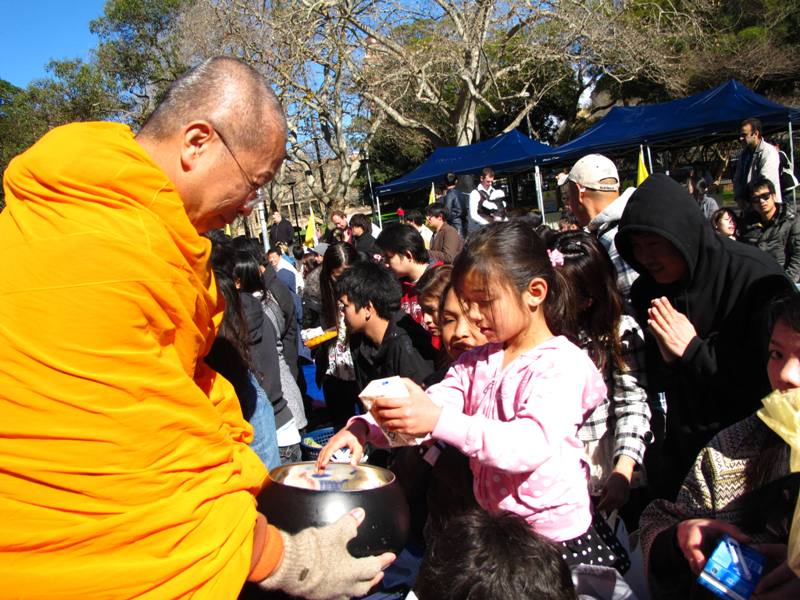
The second part of the ceremony was followed, where lines of peoples waited enthusiastically for the monks as they slowly passed each person to receive their alms offering (Takbat). That was the conclusion of the morning ceremony.

The monks remained at Belmore Park to give people the opportunity to offer Sangha Dana for the whole afternoon.

The Buddhajayantee candle light ceremony started again around 4.00pm with more than a hundred Buddhists had joined. Most Venerable Suddhammo led the Buddha Puja chanting followed by meditation time. When everyone mind was clear, all the candles were lid.

Most Venerable Suddhammo led the Sangha and the congregation to pay respect to the Buddha’s relic by walking around the cetiya three times. When everyone came back to their seat, most Venerable Suddhammo led them in merit dedication to all beings and that concluded the evening ceremony.

Posted in National Buddhist News | Tagged , , , , , , , | Leave a comment

The Expo

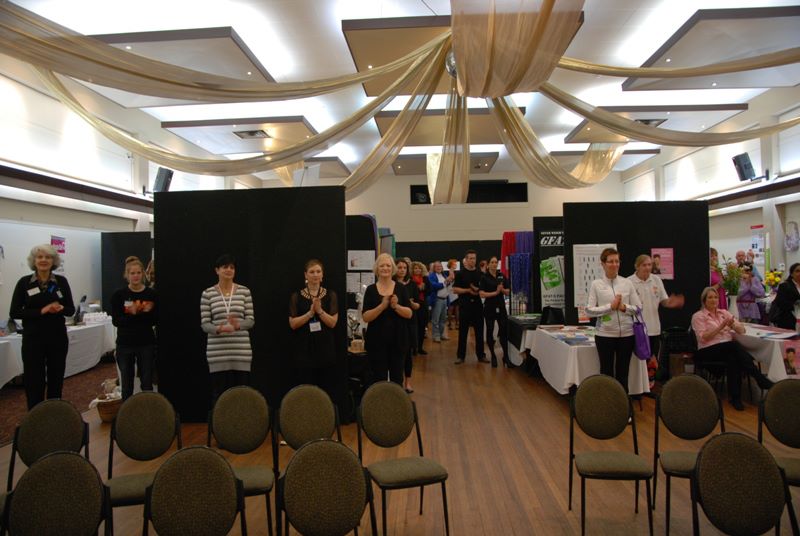
On Saturday 7th, July 2012, the Health and Body Expo was held at the SS&A Club, Albury. Donna Carroll, the main co-ordinator of the Expo said that she was very excited about this as it was the first time for this kind of event in this area. The event received a lot of support from many related local businesses.

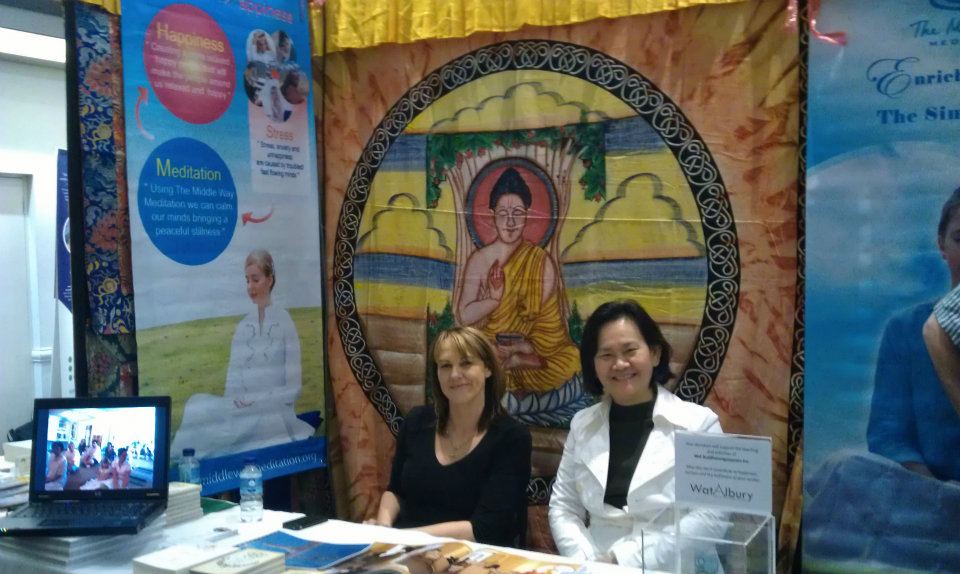
The Buddha Shop Albury was one of the exhibitors with a fair size space for its exhibition. It also allocated a table space to the local Buddhist temple to display their information in this expo as well. This gave the visitors the opportunity to talk to the Buddhist monk and get to know their local Buddhist temple.

The opening was remarked by the Buddhist blessing by Most Venerable Sudhammo, the president of Buddhist Federation of Australia and Ajahn Satit of Albury Buddhist temple. The exhibitors and participants were so pleased of their presence. 

Ajhan Satit would like to thank the local Buddhist community for their continuous and great support and also to the people who came with the open minded. He also revealed to our reporter that this expo had helped him to better understand the perception of the public here toward Buddhism, “I think it is still a big challenge for our local Buddhist community to educate the public about the Buddhist practice and the Buddhist value. I can see some people look at the Buddhist monk as a religious figure who is trying to convert them and they try to keep away. It is not like that at all. Buddhist practice and value is something that anyone can put into practice in their everyday live without having to call themselves a Buddhist.”

Never the less, there were many people who collected some info on the day and perhaps find some time to visit the temple.

Posted in Local News | Tagged , , , | Leave a comment

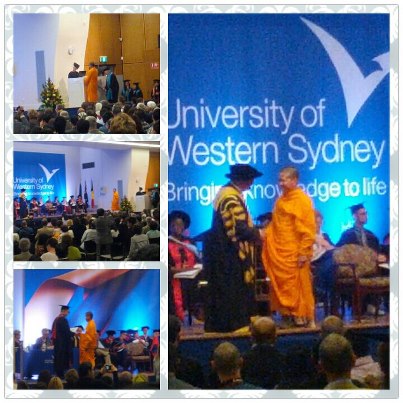
Congratulations to Sydney’s first Buddhist Study DOU Graduate

Early last week, Ratchanee Kalakul, a Hornsby residence, went to Thailand to join the fourth DOU graduation ceremony  held at the Dhammakaya Temple on the first Sunday of July witnessed by thousands of Buddhist followers who came to congratulate the success of all the graduates.

Ratchanee is a single mother of two teenagers and also a working mum. Despite of the very busy daily routine, she can find time to enroll herself in the Dhammakaya Open University or DOU. The course involves the study of the Dhamma and practice, together with Meditation.

Ratchanee has put the knowledge she gained from the course to help in self-development to be a person of virtuous attributes and bringing peace into her life and people around her. Ratchanee enjoyed the experience of long distance learning that the university had offered. It allows her to carry out her study in her free time without having to re-arrange her daily routine.

Four years on, her hard work is paid off as she is Sydney’s first DOU bachelor degree graduate. She was among the proud graduates from around the world, elegantly dressed in red and yellow trimmed, white graduation gown, celebrating their success in this memorable day.

Reporter: Tisarat Pancharoen

Posted in National Buddhist News | Tagged , , | Leave a comment

Why our youth do not join the temple?

Saturday 16th June 2012, the Buddhist Council of New South Wales conducted a meeting at the Lao Buddhist Temple near Bonnyrigg, Wat Phrayortkeo Dhammayanaram. The meeting involved Buddhist Sangha and lay Buddhists from different organisations that come together to discuss how to make the Buddhist community stronger.
The main points of the discussion were the growing potential of Buddhism in Australia, the challenges and obstacles of it and what could be done to achieve the goal. The meeting provides an opportunity for Buddhist organisations to learn from each other experiences, of which they are different in many aspects. Some are cultural base or sometimes called ethnic Buddhist organisations which have strong support from their community and seem to grow very quickly. However, this group may provide little service to Australian community. While Australian Buddhist groups are comparatively small in size but provide more suitable services for the Australian community. The general challenges for this group is the lack of volunteers and it mainly runs by the core members.
One common problem that everyone seemed to agree was how to recruit new generations as they will be the main force in future to continue spreading the teachings of the Buddha (Dhamma). Questions were raised, mainly on how to get youth, of both Buddhist and non-Buddhist backgrounds, to take part in activities provided by the Buddhist community.

Some advice and examples were given by Cecelia, a former university student and former ambassador of the university Buddhist club, that the youth today like to be ‘free’ but when they joined some Buddhist activities, they felt that it was too strict and they were being pressured to do things that they did not really like to participate. Some suggestion from the floor for the solution to this was when organising any activities that will include youth, they may be alter and flexible to encourage the youth to join as long as they do not go against the normal practice.

The moderator concluded that the Dhamma is always pure and never change but we need a new way to present and convey the Dhamma to the new generation. He simply put it as the Dhamma in a new packaging. It is clearly the communication issue that we all need to find the solution. The meeting was close due to the time limit and the Buddhist Council of New South Wales would call another meeting to discuss this topic in particular which all the participants agreed to come for the next meeting for this issue.

Kids come with parents perform some duties at the temple

Ajahn Satit, the teaching monk at the Buddhist temple in Albury attended the meeting as well. He brought the issue back with him as a homework and as something to do with his small Buddhist community on the border. He mentioned that from his experience when Buddhist activities were organised separately for youth, they might enjoy the activities and learn some Dhamma, however, it was usually found that they never come back to the temple again as the activities did not form a sense of community.

“I would prefer the activities as the whole family at the temple, this way they reinforce the practice of the Dhamma as well as the strong relationship within the family and the whole community, from grand parents right down to grand children.  The question would be, how the temple maintains this wide range of audiences together. When they come to the temple, some activities could be done separately and some common activities to be done together as a whole. For example teenagers could be volunteers for the service while they offer this time for their parents to focus more in the practice of the Dhamma. Older youth take responsibility to take care and teach the young children. In this, it would be the right Buddhist culture to maintain Buddhist for the long lasting. The individuals Buddhist practice in the modern western lifestyle could be done but I don’t think it could help to maintain Buddhism for a long term.   As the Lord Buddha already said how long the Buddhism last will depend on the four Buddhist company which is the combination of Lay Buddhist and the Sangha.”

Posted in National Buddhist News | Tagged , , , , , , , , , | Leave a comment

Good friends (Kalayanamitra), Why it is so significant to the path?

The quote below is the advice that the Lord Buddha gave to young man, Sigala.

“A son of a good family should look after his friends and companions in five respects:
by being generous,
by talking kindly,
by acting helpfully,
by treating them equally,
by not breaking his promise.

When a son of a good family looks after his friends and companions in these five respects, then they show him sympathy in five respects:

they look after him when he is reckless,
they look after his belongings when he is reckless,
they are a comfort when he is afraid,
they do not abandon him in times of trouble,
they honour his descendants.

When a son of a good family looks after his friends and companions in these five respects, then they show him sympathy in these five respects, and in this way the north is covered by him and kept safe from danger.”

From the collection of Long Sayings, Advice to Sigala.

Many teaching of the Buddha emphasise on friends. Only the Lord Buddha himself can be self-enlightened, others need good friends (Kalayanamitra) to guide them to the right path.

There are two factors that are prerequisite to the Ariya Magga (the Noble Eightfold Path), They are 1. yoniso-manasikara (Mental attitude toward environment) 2. Kalyanamitta (Influence from a good social environment and good social relationships dhamma) or the other word; 1. internal factor and, 2. external factor.

The internal factor is accumulated from your past (include past lives), the self improvement that you make in many little steps during the time. The external factor will help to reinforce your direction, your improvement or it could have an effect in the negative way depend on the environment, good or bad friends.

In practical, it is impossible to find a perfect one. We only associate with people who are developing themselves, some of whom might do better than others. So we have to be able to choose the right one to follow and avoid the bad influence of others. If we develop ourselves well enough, we can help our friends to change their bad behaviour as well. In order to do this, we must use our wisdom to find the way to influence them to change.

Temple would be the best place to start the process as people come to the temple with the intention of improving themselves. They are ready to take advice from the teaching monks. The monks, who we sometimes call Ajahn, will take his duty to examine us like doctors examine their patients and with his kindness, selects the right teaching to help us to improve ourselves. All the friends we met at the temple would do the same and we will reinforce each other for the development. Once we better ourselves and have more confidence with the practice we can be a good example for people around us at home or at work. For example, if we focus in practicing loving kindness,  we will always be looking for what we can do to help others. When giving is not necessary that it has to be gifts or money. It can be as simple as smiling to others, giving advice or encouraging words. It is the way to show people that we care.

Posted in Dhamma Talks | Tagged , , , | Leave a comment

All are welcome to the UN Day of Vesak 2012

The UN Day of Vesak 2012 at Sydney Town Hall is approaching. Buses have been booked for Sangha and Buddhist followers, also some small buses for the multicultural performers will come from many temples and communities. They are all looking forward to the joy of the Vesak celebration, the victory day of the Lord Buddha. Non-Buddhists are very welcome and entry is free.

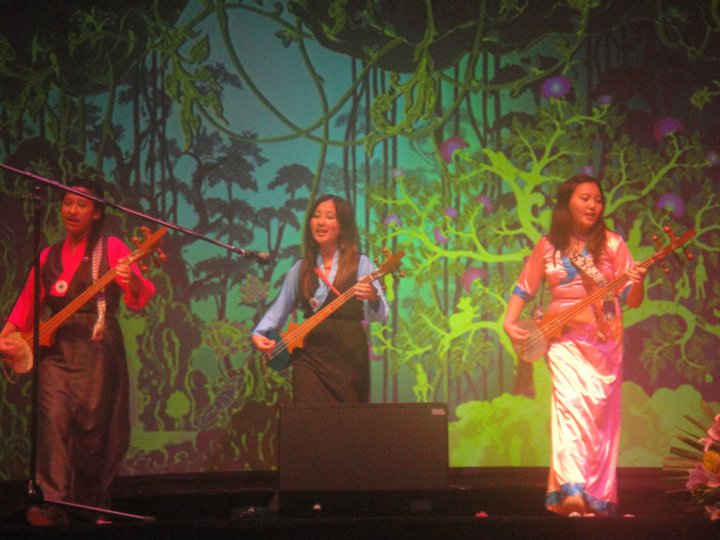
The celebration this year includes an exhibition from 10.00am for anyone who is passing by Sydney Town Hall on Sunday 27 May. Anyone can just walk in and have a look at the interesting information and learn something about Vesak. In the afternoon, registration starts from 1.00pm and all are welcome to walk into the hall. It is not only a Buddhist ceremony; you can also see almost 2 hours of colourful multicultural performances that convey the art of living in the Buddhist way.

All are welcome to

The Australian Observance of the United Nations Day of Vesak 2012

Sunday 27 May 2012

1.30-5.00pm

Sydney Town Hall

Posted in National Buddhist News | Tagged , , , | Leave a comment

Multi faith event: Vesak Celebration in Meadow Heights, VIC

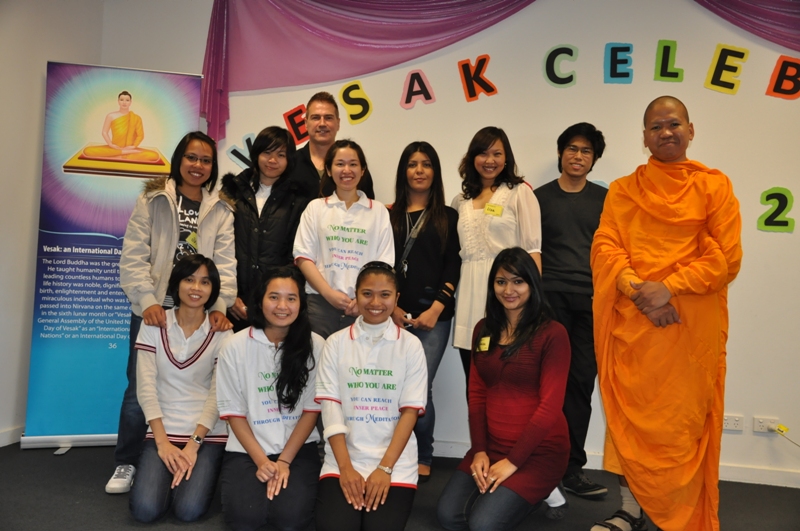
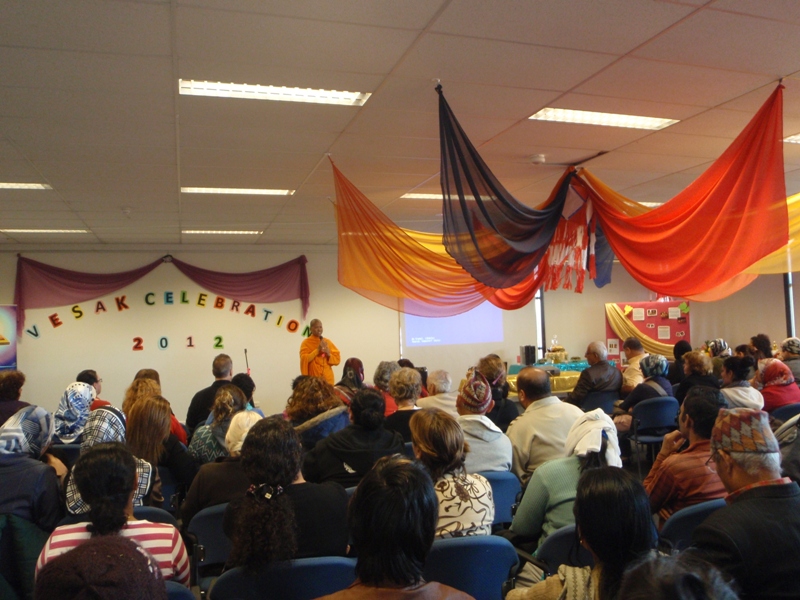
In the afternoon of 8th May at Visy Cares Learning Centre, Meadow Heights, Victoria. There was a colourful event fruitfully held at the function room, attracted almost 200 participants from the area. 

This event was coordinated by Meadow Heights learning shop Inc., The shop has been organising various multi faith events. May is the time for Buddhists to celebrate Vesak in commemoration of the Birth, the Enlightenment and the Passing away of the Buddha.  The idea of this multi faith event is to provide better understanding of Buddhism to other beliefs. As in Australia particularly in Melbourne, we are living in a diversed society. Better understanding in others will bring the comfortable living in this society.

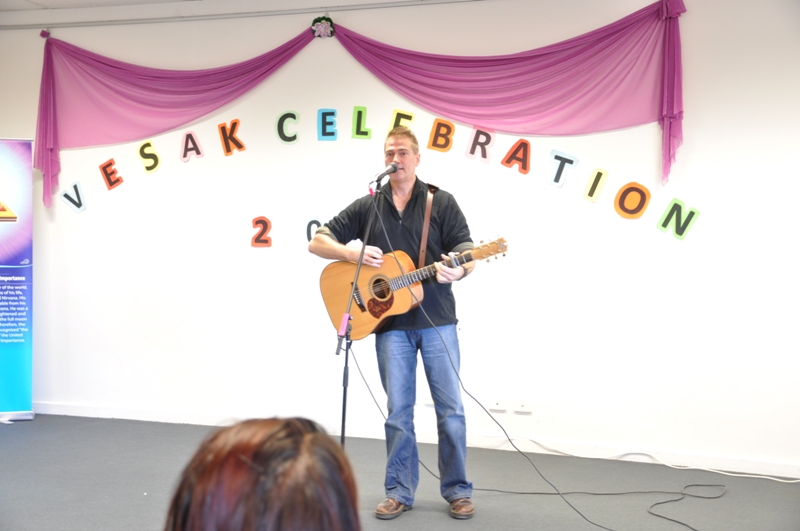
The Vesak Celebration combine the Exhibition of arts and crafts, Blessing from Buddhist monks, documentary about Vesak, Meditationg session guided by the Buddhist monks and Music. All these combinations  give the balance of information and entertainment to the event.

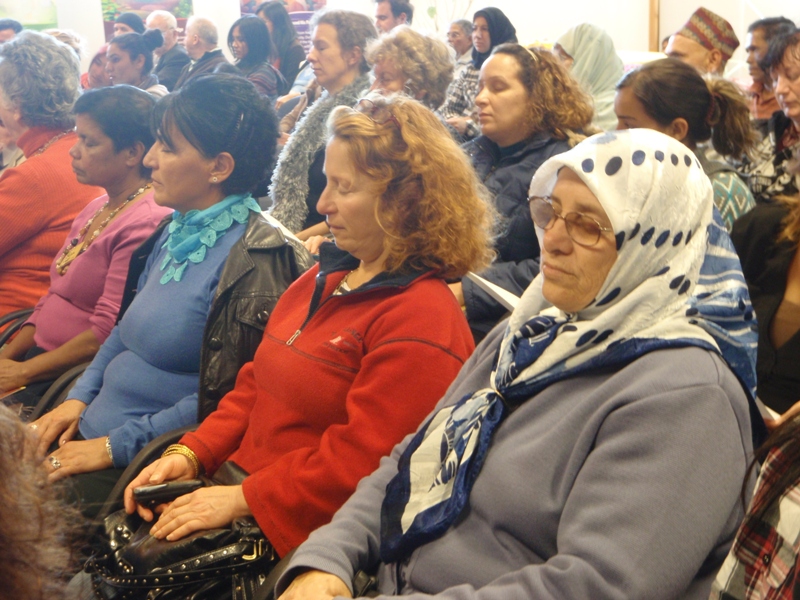
The audiences were from diversity of nationalities, languages and beliefs but they are all join in as one. Meditation session, the universal practice of the mind, helped audiences to be clam, and have deeper understanding of themselves and others. It was leaded by Ajahn Satit who was invited from the temple in Albury NSW. After the meditation they were entertained by a Buddhist musician, Andrew William. “ One people” was the song that highlight this wonderful celebration also the audience can sing along.

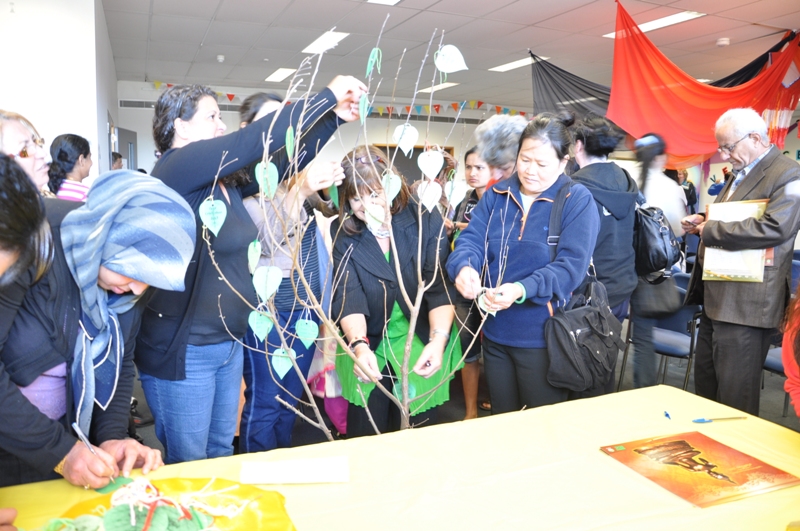
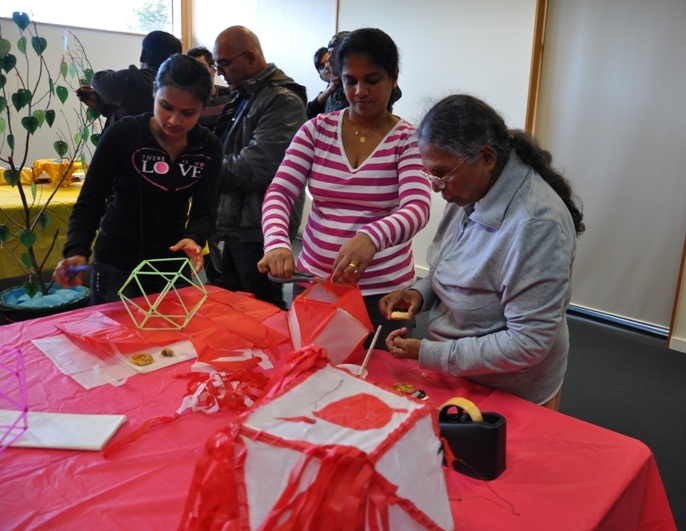
At the end, participant can explore around the room while being serve with snack and soft drink , many were enjoy writing their wishes on the leaves of the awaken tree, the Bodhi tree, some were helping in making traditional Sri Lankan lantern. Many liked to have a photo with the Buddhist monk for a good memory of the cerebration.

There are many other Vesak celebration during the month of May. The UN Day of Vesak of VIC will be held at Melbourne Town Hall this Saturday, 12 May 1.00pm-4.00pm. And the Australian Observance of the UN Day of Vesak to be celebrated as the national level, will be held at Sydney Town Hall on Sunday 27 May 2012. 1.30pm-5pm. “However the Vesak cerebration in Meadow Heights was remarkable distinctive by its audiences, I could say it was the most diversity of the audience than any other Vesak Celebration I have ever participated.” Said Ajahn Satit, one of the organising committee of  the Australian Observance of the UN Day of Vesak.

Posted in National Buddhist News | Tagged , , , , , , | 3 Comments

Buddhists at the border are going to join the UN Day of Vesak in Sydney and Melbounre

Ajahn Satit, the monk from Buddhist temple in Albury has taken a part in the organising committee of the Australian Observance of the United Nations Day of Vesak 2012. Vesak Day was recognized as a United Nations Day of international observance to be celebrated each year by the UN and its member countries. In Australia we had the first celebration at Sydney Town Hall in 2007.

The Australian Observance of the United Nations Day of Vesak 2007, Sydney Town Hall

The Australian Observance of the United Nations Day of Vesak 2007, Sydney Town Hall

During the month of May, there is one significant day for all Buddhists called Vesak or the Buddha’s Day. Thousands of people will join together to commemorate the Birth, the Enlightenment and the Passing away of the Buddha.

Buddhist temples normally have the cerebration of Vesak every year in their temples according to the traditions. The Australian Observance of the United Nations Day of Vesak is for all Buddhist traditions to join hand and celebrating Vesak together as an official celebration at the national level. It is the time that Buddhists come together, meet and get to know and understand each other better. Buddhists from different traditions may have their own way of celebrating the occasion and on this particular day they will have a chance to express their way to the audiences from other traditions as well. It is becoming an inspiring annual event that Buddhist monks from all traditions come together on stage for chanting. This picture shows the unity of the Sangha that will work together towards peace in Australia.

It is also a good time for general public, Buddhist or non-Buddhist to participate in this joyful cerebration and gain better understand of Buddhism from various traditions.

The Australian Observance of the United Nations Day of Vesak 2010
The Great Hall, Parliament House, 26 May, 2010

Since the second Australian Observance of the United Nations Day of Vesak  was organised in Melbourne in 2008, the Victorian Buddhist community decided to have United Nations Day of Vesak – Victoria Observance each year. While the Observance at the national level continues to be held in Sydney except in 2010 which was held in Canberra.

United Nations Day of Vesak Victoria 2011, Melbourne Town Hall

United Nations Day of Vesak Victoria 2011, Melbourne Town Hall

To be part of the Buddhist unity in commemorate the auspicious day of all the Buddhists, Wat Buddhavongsayaram as the only Buddhist community on the NSW/VIC border would like to encourage Buddhists at the border to participate in United Nations Day of Vesak – Victoria Observance on May 12, 2012 at Melbourne Town Hall and The Australian Observance of the United Nations Day of Vesak on May 27, 2012 at Sydney Town Hall.

Posted in Local News, National Buddhist News | Tagged , , | 1 Comment